









If you want to explore Japan’s lesser known powder skiing areas, and you do, then we’ve found the perfect way to do it by rail.
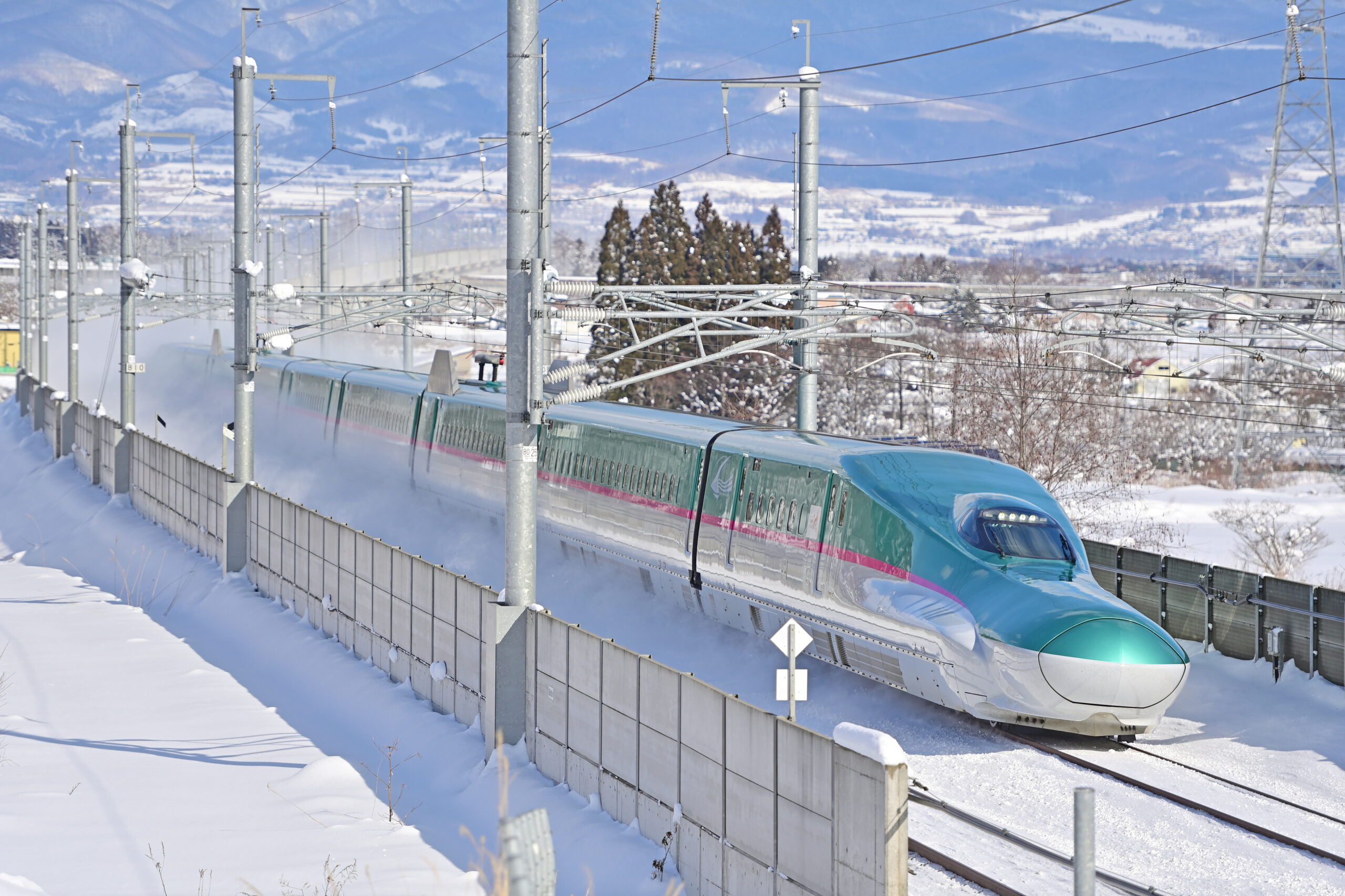
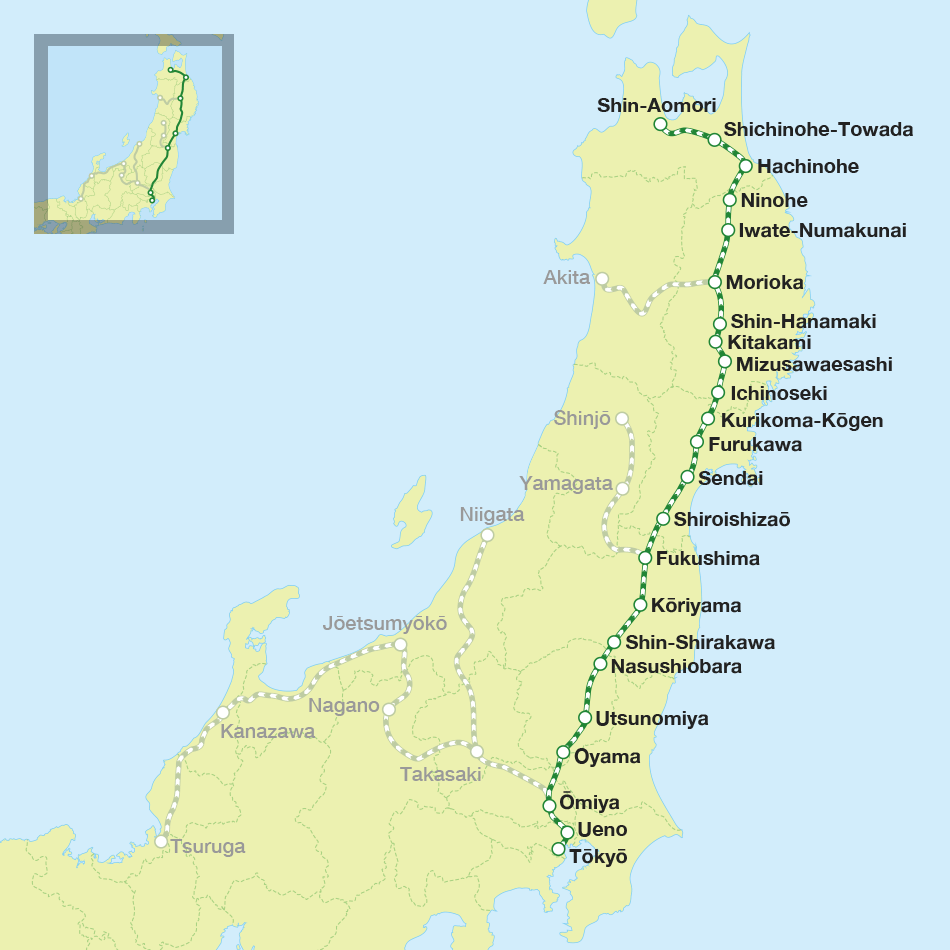
JR East will get you access to one of the fastest Shinkansen lines from Tokyo to the Aomori region in Tohoku on the tip of the island of Honshu. The region is known for hundreds of ski resorts, no lift lines and mega powder, just a few hours from Tokyo by train.
Tohoku includes the snowy prefectures of Aomori, Akita, Iwate, Yamagata, Miyagi and Fukushima. Trust us, you won’t go powder hungry, or forking out a fortune for lift passes. Ski lift passes in these regions average around AUD$40 to AUD$60 a day.


Fly into Tokyo or to Sendai and jump on the JR East lines for fast Shinkansen travel and start exploring.
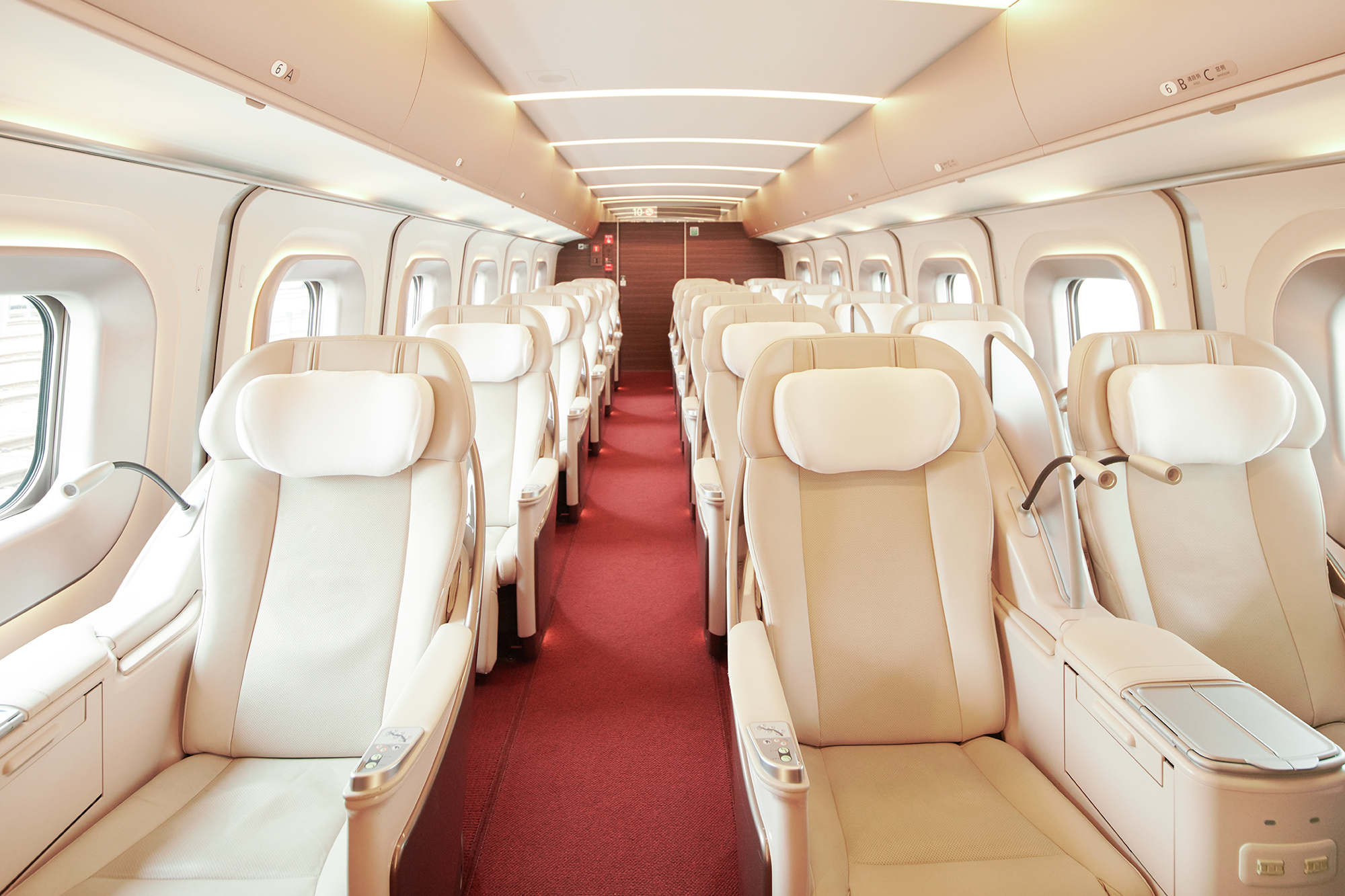
JR East offers multiple classes on many Shinkansens including the uber premium GranClass where you can experience an elevated level of both comfort and service.
Planning on hitting up multiple ski resorts in the region? Then the JR East Pass has your name on it. The five-day pass will set you back just ¥30,000 (adult) and ¥15,000 (child). With today’s exchange rate that’s just AUD$289 or AUD$144 for a child. They also have a 10-day option for ¥48,000/¥24,000.
You’ll also get access to a ton of other train journey options including, but not limited to, Tokyo Monorail, Iwate Galaxy Railway, Sendai Airport transit line and reserved seats in ordinary cars on most express trains.
The beauty of train travel in Japan is wide windows for site seeing, super clean carriages, multi-class options, food offerings and Wi-Fi options. It’s such a romantic way to see a country.
Where to ski in Tohoku with JR EAST
Honestly, where do we start? Geto Kogen, Shizukuishi, Hachimantai, Appi, Tazawako, Ani, Zao Onsen, Nekoma, Grandeco, Inawashiro, Hakkoda, Aomori Spring are just some of the must-ride resorts in the region. But there are so many more for the adventurous wanting a true cultural experience.
We’ve highlighted just some of our favourites that can be accessed by JR East Shinkansen.
Big powder at Hakkoda
Fed by frigid air rolling in from coastal Aomori Prefecture, a region that averages eight metres of snowfall itself. This place is the polar opposite of a glossy brochure resort. There’s no bling here, just a tight-knit, almost cult-like energy that feels closer to an extreme club scene than a family ski hill.
At first glance, the old-school piste map doesn’t inspire confidence. A single ropeway gondola (with room for 101 riders) climbs to the summit of Mt Tamoyachidake (1,324m), while one modest chairlift serves a handful of short groomed runs. But forget the corduroy, Towada-Hachimantai National Park is all about raw, lift-accessed backcountry.
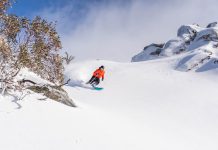
From the top station, a few loosely marked, officially ungroomed “courses” thread through the trees for up to five kilometres. Beyond that, it becomes a choose-your-own-adventure powder playground. Unlike much of Japan, ducking into deep forest off-piste is not only tolerated but encouraged, with a constant supply of fresh snow for confident intermediates and above. Beginners should look elsewhere.
You can access Hakkoda from the Shin-Aomori stop on the JR East line.
Zao Onsen snow monsters
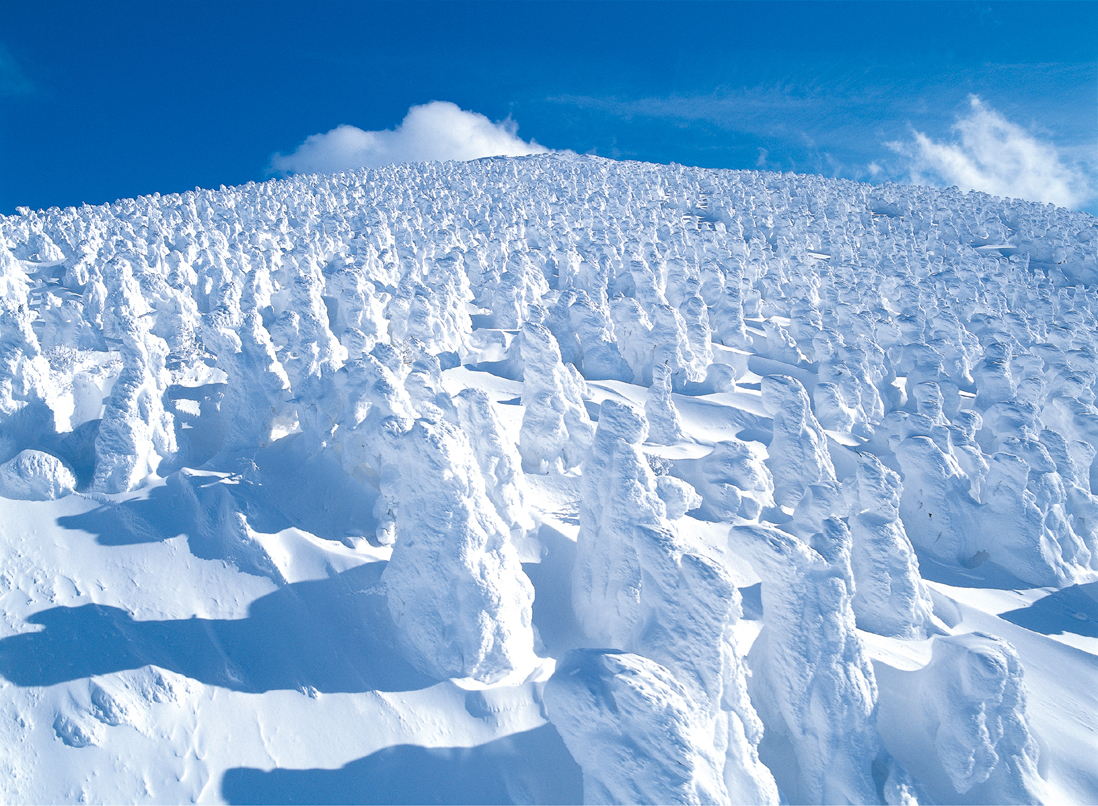
Zao Onsen in Yamagata Prefecture is a much-loved local ski and hot spring resort, tucked deep in the mountains just 40 minutes from Yamagata Station. It’s instantly recognisable for its famous “Snow Monsters”, towering fir trees encased in ice and snow, sculpted by fierce winter winds into a surreal alpine landscape.
The onsen tradition here dates back to 110 AD, when the mineral-rich waters were first discovered for their healing qualities. Zao is a year-round destination, with forest bathing, hiking and cycling drawing visitors through the warmer months, but winter is when the town truly comes alive. Days are spent skiing and snowboarding, followed by evenings soaking in steaming onsen as snow falls softly outside.
For those chasing a slower, more restorative ski escape, Zao is blissful. Outdoor rotenburo baths let you soak beneath falling snow, while free foot baths around the village offer instant relief for tired legs straight out of ski boots.
Powder seekers won’t be disappointed either. With 39 lifts and 305 hectares of terrain, there’s plenty to explore and because Zao remains largely local, backcountry crowds are minimal, leaving fresh lines waiting for those willing to seek them out.
Solace in Ani

You’ll find Ani in Akita Prefecture and is spoken about quietly, in hushed tones, a true hidden gem.
The terrain is classic Japan — not outrageously steep, but consistently pitchy enough to keep things engaging. A flat mid-mountain section is easily navigated thanks to a well-placed rope tow, and from there, fall-line skiing drops away in every direction. Higher up, snow-laden beech trees dominate the landscape, while lower elevations deliver beautifully spaced runs through mature pine forest, a rarity in Japan.
For backcountry skiers and riders, the terrain accessed from the top of the gondola is vast. Weather kept us closer to home, though it hardly mattered. Brief breaks in the storm revealed long, rolling descents off successive ridgelines, weaving through spectacular forest and running uninterrupted all the way to the valley floor.
You can access Ani from Kakunodate station on the JR EAST line.
Happy in Appi
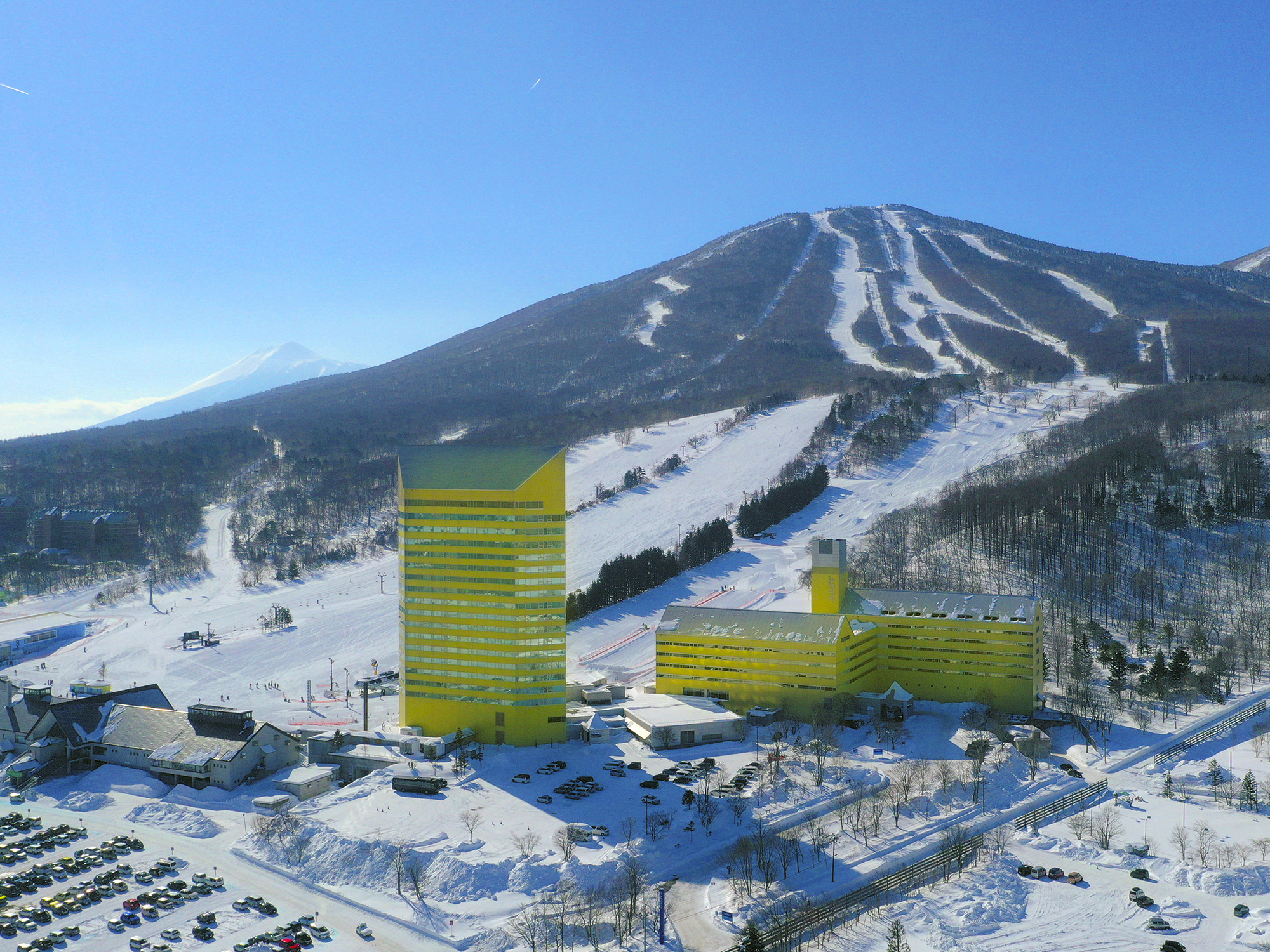
This north-facing, 282-hectare resort in the Iwate Prefecture is a true all-rounder. Long, wide and flowing groomers dominate the mountain, from the gently meandering 5.5-kilometre Yamabato Course to the fast, fall-line cruisers accessed off the Sailer Quad. An average of eight metres of snowfall each season keeps conditions consistently deep, while 828 vertical metres are efficiently serviced by 16 pastel-hued lifts, including two gondolas.
Appi’s facilities are firmly family-friendly, with dedicated snow-play zones, a mid-mountain restaurant and English-speaking instructors. The terrain park offers approachable rails, berms and jumps, including a seven-metre kicker for those feeling a little X-Games-inspired.
After a powder dump, groomers deliberately leave select runs untouched, but locals know the real prize lies in Appi’s six in-bounds tree zones. These are the resort’s standout feature. Access requires registering with ski patrol and wearing a yellow armband, which must be returned at day’s end, skip that step, and patrol will come looking for you.
You’ll find Appi not far from Morioka station on the JR East lines.
Grandeco, ski-in ski-out
Tucked into the quiet folds of Fukushima Prefecture, Grandeco is Japan skiing without the frenzy. Set on the northern slopes of Mount Bandai, this compact resort is known for its reliable snow, calm atmosphere and beautifully groomed terrain that suits cruisers, progressing intermediates and relaxed families. Runs are wide and forgiving, with gentle fall lines that make long, confidence-building laps a joy rather than a workout.
Grandeco’s elevation and north-facing aspect help preserve quality snow well into spring, and while it doesn’t chase big-mountain bravado, powder days here are uncrowded and serene. The resort’s ski-in, ski-out hotel anchors the experience, offering easy mornings, onsen soaks and panoramic mountain views without the chaos of larger hubs.
It’s not a nightlife destination or a terrain-park playground. Grandeco is about smooth turns, quiet lifts, and that distinctly Japanese pleasure of skiing somewhere calm, polite and refreshingly unhurried.
Want to know more about the JR East Shinkansen options? Visit their website.
For more information for the rail pass : JR EAST PASS
Reserve Shinkansen tickets and Purchase JR EAST PASS at JR-EAST Train Reservation
*Pricing information is current as of January, 2026. Prices and details of the passes are subject to change. Please check the official website for the latest information.