


Few international skiers would have associated Xinjian with skiing a decade ago. Now an overnight flight from Hong Kong carries me towards China’s far north-west — and one of its most surprising winter destinations.
Back then, the three resorts I’m here to see and ski either didn’t exist or were lacking infrastructure. But not anymore, they’re gaining serious traction in the ski industry thanks to the likes of the global Freeride World Tour and the FIS International Ski and Snowboard Federation who are helping put the likes of Xinjiang’s Hemu ski resort on the snow map.
Now, in 2025, local tourism boards are frothing to talk about the winter sports possibilities in a province blessed with three impressive mountain ranges: Kunlun (south), Altay (north), and Tian Shan, the impeccable central spine, with 7000-metre-plus peaks. Skiing here is a blend of ski resort, ancient culture and intrepid travel, everything that makes snow sports covetable for those “who like to be first.”


Naturally, my ‘next-big-thing’ radar buzzes like a mosquito on his third espresso.
Xinjiang province adheres to Beijing time, despite being 3000 kilometres west of the capital, so the sun won’t hit the top of Urumqi’s relatively few tall buildings before 8:30am. No one breakfasts here before 9am and few start work earlier than 10am in winter.


A twilight meander through Urumqi’s Grand Bazaar paints a rich, surreal picture of this Silk Road crossroads. Stans-like domes, minarets and buildings swathed in Central Asian tilework. Stall-holders sell nang flatbread and food more commonly found in Xinjiang’s eight bordering countries (including Afghanistan and Tajikistan).
First stop – Silk Road International Ski Resort where old meets new
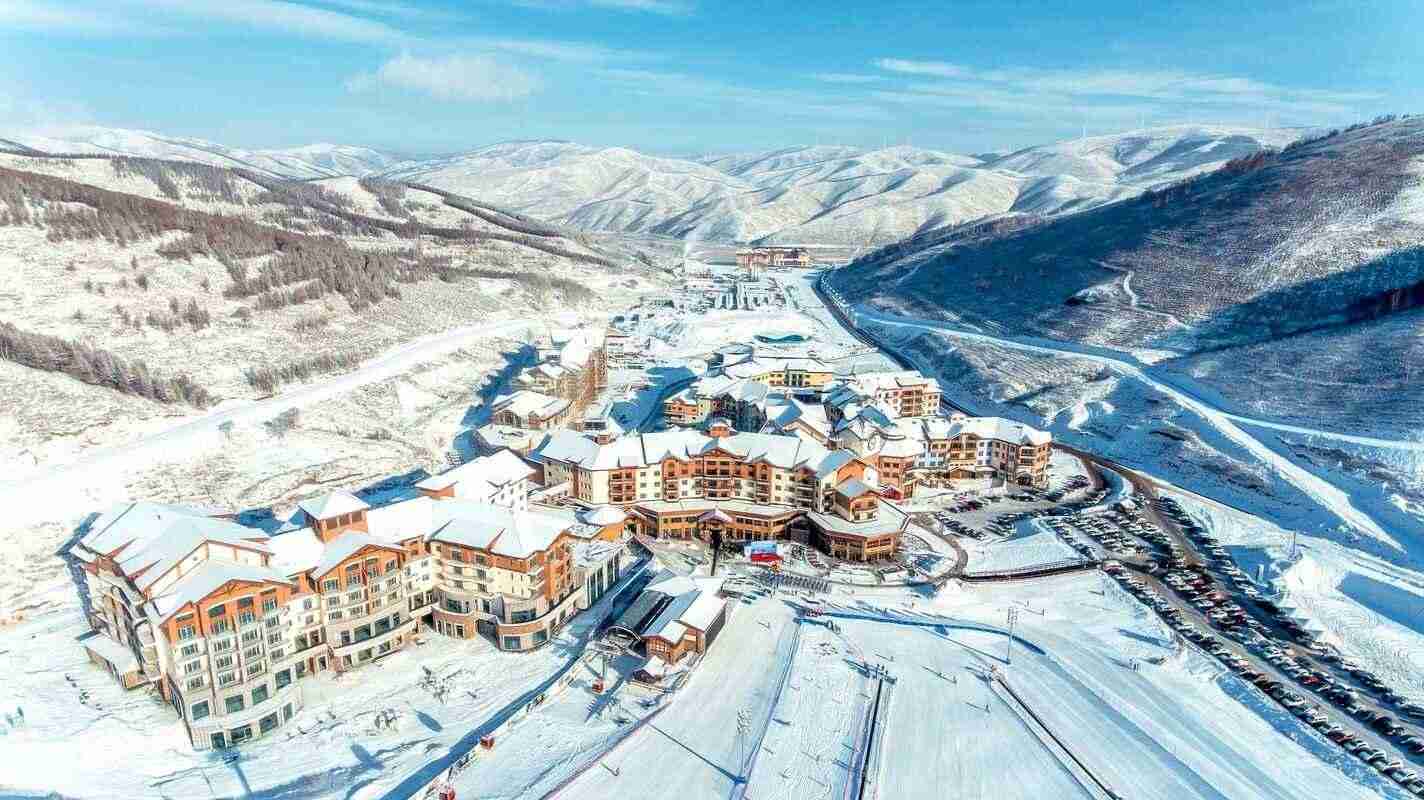
Silk Road International Ski Resort is a 50-kilometre drive south of Urumqi. Snow-caked mountains gradually rise from snow-caked potato fields randomly dotted with clusters of Kazakh yurts (distinguishable from the Mongolian versions by their cattle-horn motifs and shape).
As the unmistakable sight of ski runs stripe the mountains, a vaguely familiar ski-town-esque architecture pops up, with a few local curve balls, and a strip of restaurants that specialise in traditional local fare.
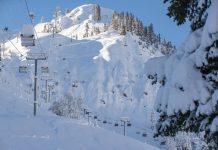
Silk Road is reported to be the pick of 10 ski fields within driving distance of Urumqi, the majority of which are club-hill equivalent. Two decades ago, it was “run by villagers” but now has a decent smattering of infrastructure. Three gondolas and sundry lifts funnel skiers up to tree-lined runs like Xuanzang – named for the main character fabled in 1970s cult TV show Monkey.
There’s 667 hectares to explore, topping out at 2500 metres. It’s a small but fun ‘second’ resort on a multi-stop Chinese ski-tinerary and definitely worth a visit.
Vibe-wise, Silk Road is a mixture of modern China, international ski resort and local culture.
The ski centre is sporadically brought to life with troupes of Uyghur musicians and dancers. On mountain, a giant 80’s ghetto blaster implores you to “party, party, party”. A cross-cultural Christmas pantomime and fireworks display round out my day, as night skiers come out to play.
Stop two – Altay General Mountain where city meets mountain
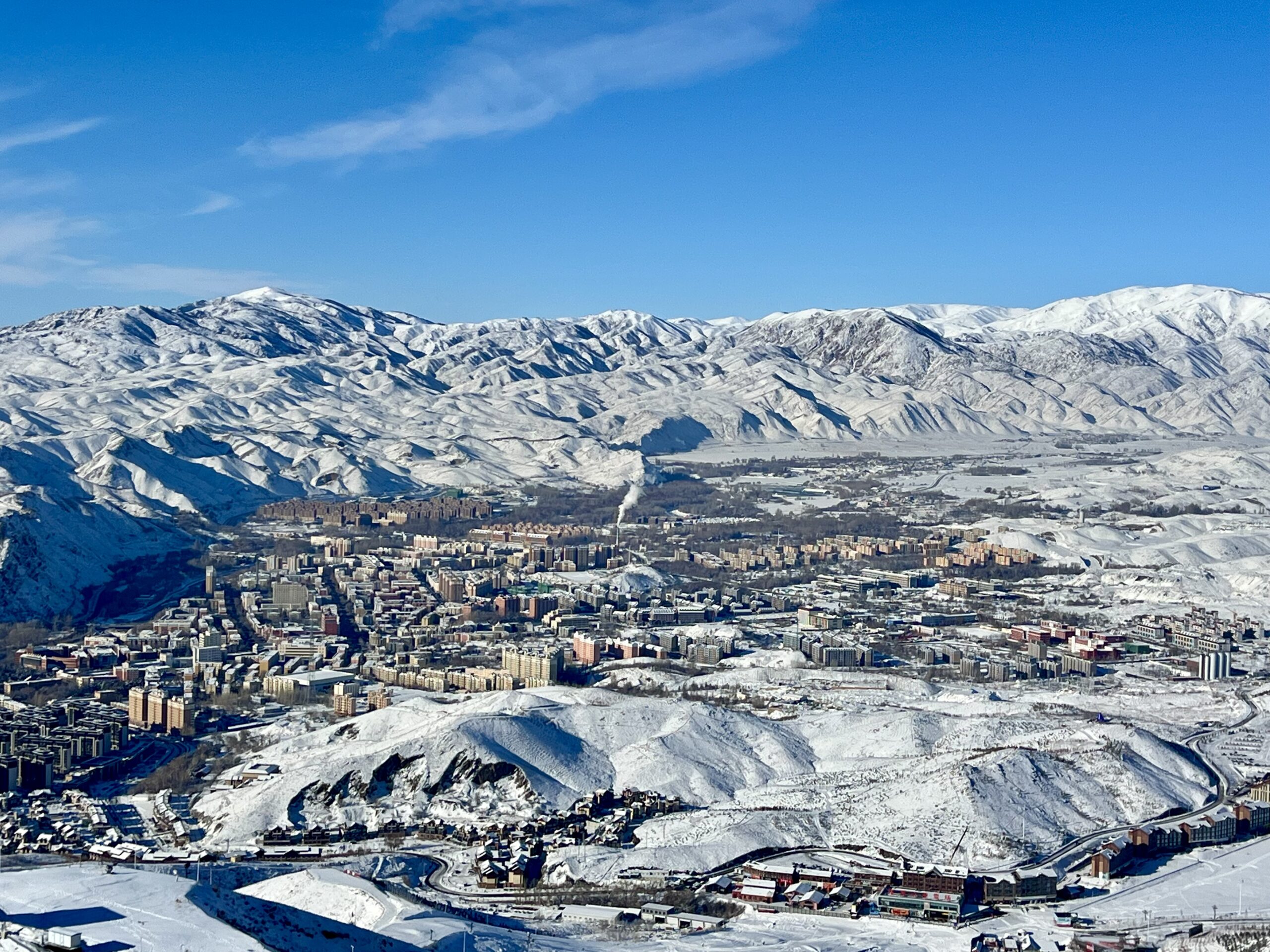
Ninety minutes’ flight north of Urumqi is the charismatic city of Altay (also spelled Altai) in the Ili Kazakh Autonomous Prefecture, a place some claim to be the birthplace of skiing. (A cave painting reportedly depicting Stone Age skiers was uncovered in the prefecture last decade).
Wandering through the central bazaar, visitors can explore the city’s rich cultural tapestry, from local dairy products made from camel, horse, and sheep milk to modern retail offerings. Restaurants purvey diverse dishes from river jelly fish to nine-courese Hui banquets, washed down with goji berry tea.
It’s exotic and exciting and Altay General Mountain Ski Resort (also known as Jiangjunshan Ski Resort) perches energetically on the city’s periphery. There’s ski-in-ski-out accommodation but I stay a mere ten-minute drive across town, at Altay Xinjiang International Hotel.
The new five-star offering, within its own walled compound, shows that China can execute luxury well and for a decent price. My favourite element, without doubt, is the banquet room’s large Lazy Susan, topped with a miniature ski-resort diorama.
Established in 2009, General Mountain is home to Uyghur cross-country skier Dinigeer Yilamujiang, final torch bearer in the Beijing Winter Olympics. The resort receives up to two metres of annual snowfall topped up with extensive high-tech snowmaking.
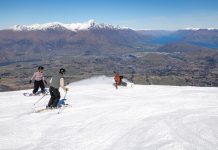
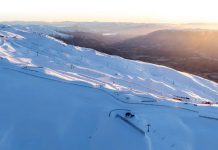
A ride on one of the gondolas to the top reveals a splendid vista of mid-sized mountains nuzzled tightly around the city, the only break in the solid-white snowscape. The resort spreads over a few valleys and three ski bases (with more planned). The piste is dense with action: 61 runs, seven terrain parks of varying sizes and an Olympic-style ski jump.
The main ski centre has a just-built energy to it. I vow to return to General Mountain to carve its trails in peak season and sample an urban après scene I imagine to be the Chinese equivalent of La Folie Douce
Stop three – Hemu Jikepulin – freeride favourite
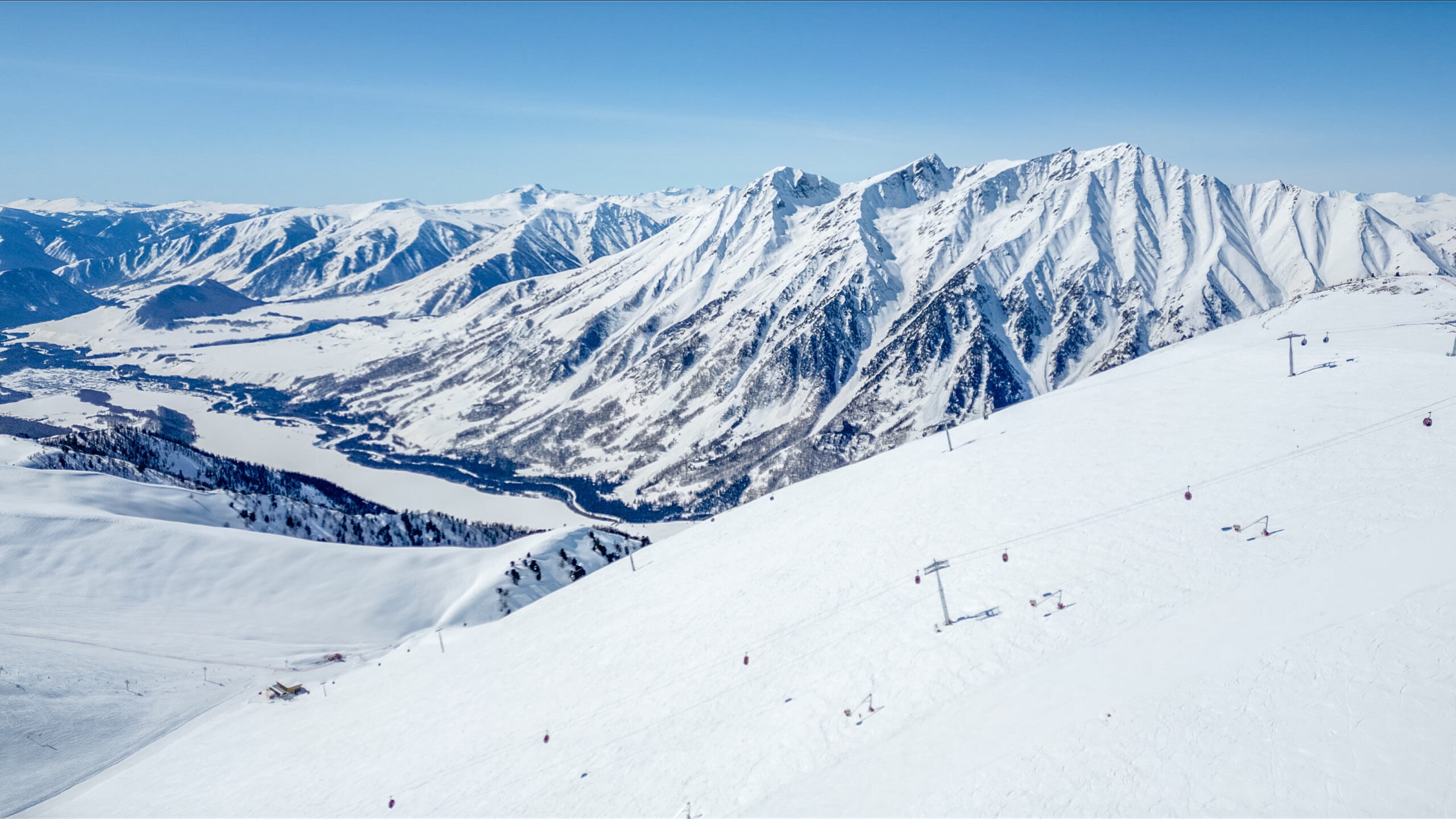
Hemu Jikepulin Ski Resort is undoubtedly Xinjiang’s ‘it’ resort. The five-hour drive from Altay to base village Hemu is also one of the globe’s most exhilarating winter road trips (4WD-only).
After a few hours of white-fringed highways – where cattle sometimes roam – my driver negotiates 70 mountainous kilometres of roads in a solid Chinese-made Great Wall Tank 300 (NB: you will have to apply for a permit if you want to drive in China). We wind up through the birch, spruce and pine forests of eye-wateringly spectacular Kanas Nature Reserve into the mountains proper.
Hemu is a genuinely charming hamlet of low-rise wooden homes and small hotels hemmed in by a spirit-stoking bowl of proud mountains.


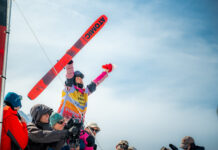
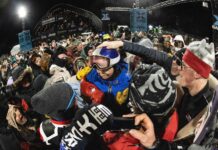
Nearby Jikepulin resort radiates a big-mountain presence, an aura recognised by the Freeride World Tour, which began hosting events here in 2025.
Its 103 trails can rely on natural snowfall. With a late afternoon to explore, I beeline up the gondola to the resort’s high point (Cloud Peak, 2779m). In between a yurt and an Instagram swing, stands a curious four-pronged structure, its wooden arms dramatically pointing towards the four countries I can see from here: China (obviously), Kazakhstan (west), Russia (north) and Mongolia (east).
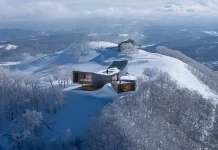
Jikepulin is just a toddler, four years old in its big-resort guise, but it’s about to hit a monumental growth spurt, says resort management, in line with rapidly snowballing domestic demand for skiing. The bottom of the mountain is already developing apace, home to the flashiest Holiday Inn I’ve ever seen.
Need to know
There’s a perception that skiing/travelling in China is hard graft and fraught with challenges. It can be difficult to find reliable information about ski resorts and transport links, thanks to the language barrier and the fact that most local knowledge won’t come up on a Google search but things are changing lickety-split.
Australians can now get a visa on arrival. I roamed using Australian Vodafone even on the most remote legs of this journey, and I effortlessly paid for things on my credit card (linked to the Alipay app). Increasingly, Australia travel agents are offering package deals to an increasing number of resorts – of which there are around 100 in Xinjiang and more than 700 China-wide (including indoor). The Chinese industry is growing fast.
Xinjiang is emerging as a new destination for winter sports, offering unique ski experiences for adventurous travelers
The potential here is palpable. Jikepulin in particular offers good value, very good skiing and a great cultural holiday. And, almost guaranteed, you will be the first of your friends to say you’ve skied China’s Silk Road resorts.
The writer travelled with support from China National Tourist Office, Sydney.
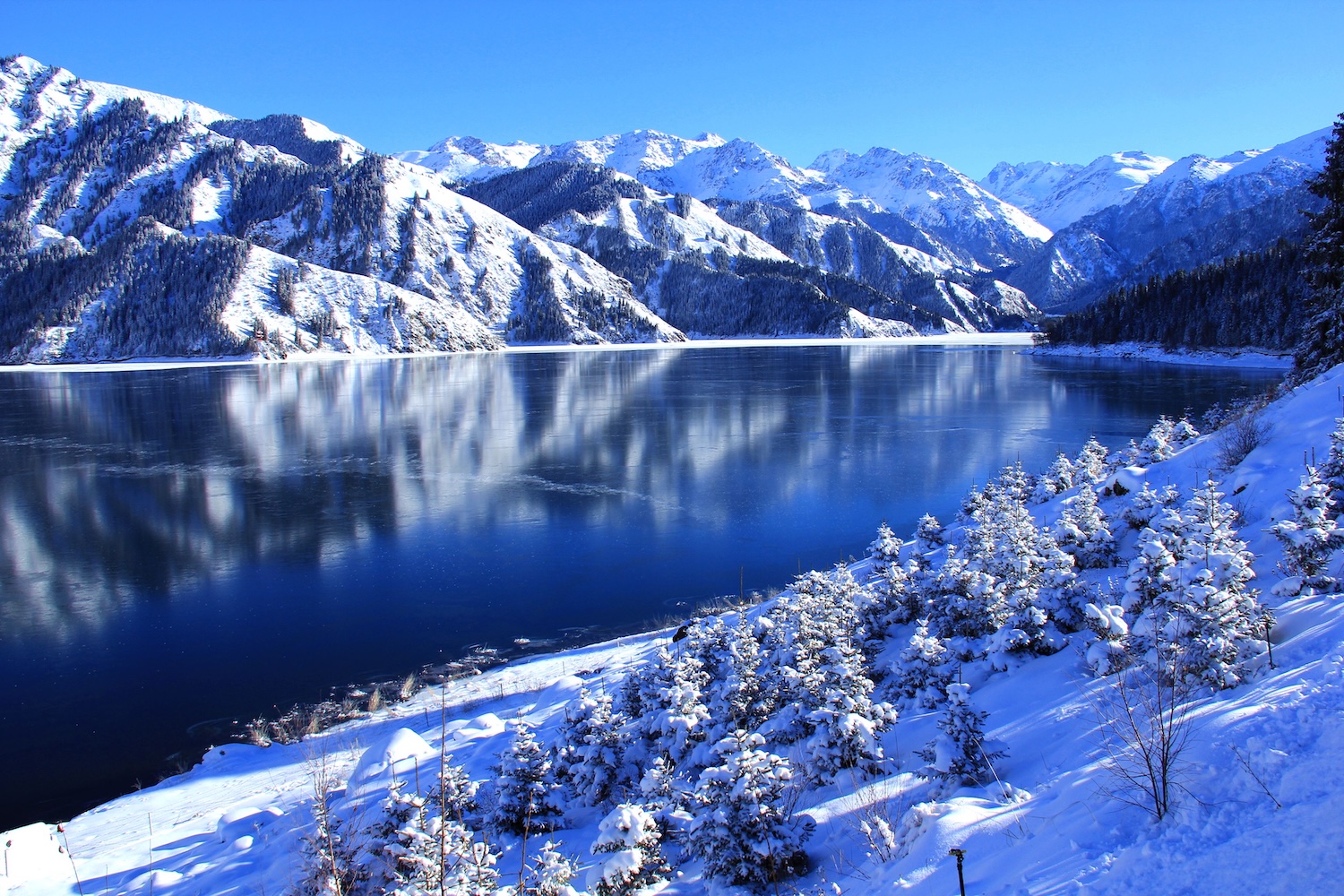
*feature image: Winter at Tianshan Tianchi Lake Zhengmei