





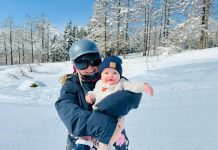

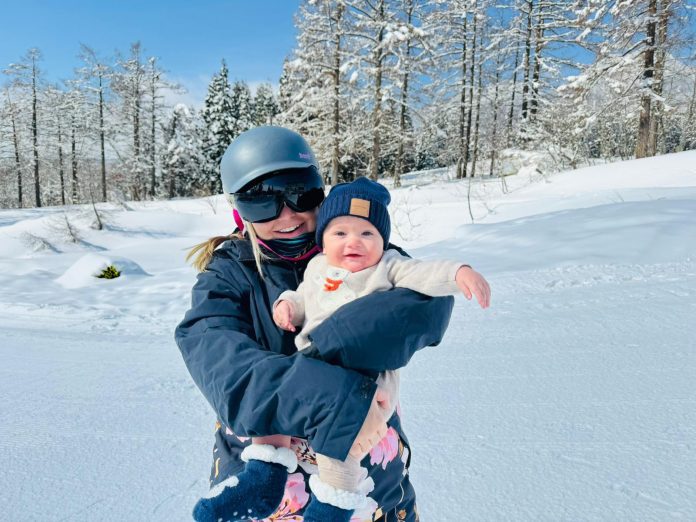
There’s a question we get all the time at Snowsbest: should I take my baby/toddler/small child to Japan? Is it worth attempting a ski trip there with a little one in tow?
We’re here to tell you YES. Yes yes yes yes.
We know what you’re thinking… the 10 hour flight! All the gear you have to lug. The naps that definitely won’t happen on schedule. And where will the child go while you ski? Will you even get to be on snow? Will the skiing even be GOOD to make all that effort worth it?
At Snowsbest, we’ve thought about it too, and we’ve done it, and we’re here to report back: a Japan ski trip with a small human is not only possible, it might be one of the best memories you make as a family.
Because this is a country that adores babies and small children. Strangers will coo at them everywhere they go.
You’ll hear ‘kawaii’ (cute, adorable, loveable) a million times over before breakfast. A waitress at a soba restaurant will take them for a tour of the kitchen so you can eat your dinner in peace (this really happened when I took my seven-month-old and it was a great time).

Is it the ski trip of your pre-kids era? First lifts, last runs, après until midnight? Well… no. But it’ll be fab in many other ways. Just think about the first time your baby sees a snowflake! Or your toddler squealing with joy over making tiny snow ducklings with snow moulds! Or a peaceful solo ski run where everything clicks and you think, f*** yeah. I can’t believe I get to do this.
This is the guide we wished we’d had when planning our trips.
We’ve covered everything; which resorts work best for little ones, what childcare actually looks like once there, what to pack (and what to leave at home), how to survive the flight, where to eat, how to navigate onsens, and how to make the whole thing feel less like a logistical nightmare and more like the adventure it truly is.
Ready? Let’s go!!
PART 1: PLANNING YOUR TRIP
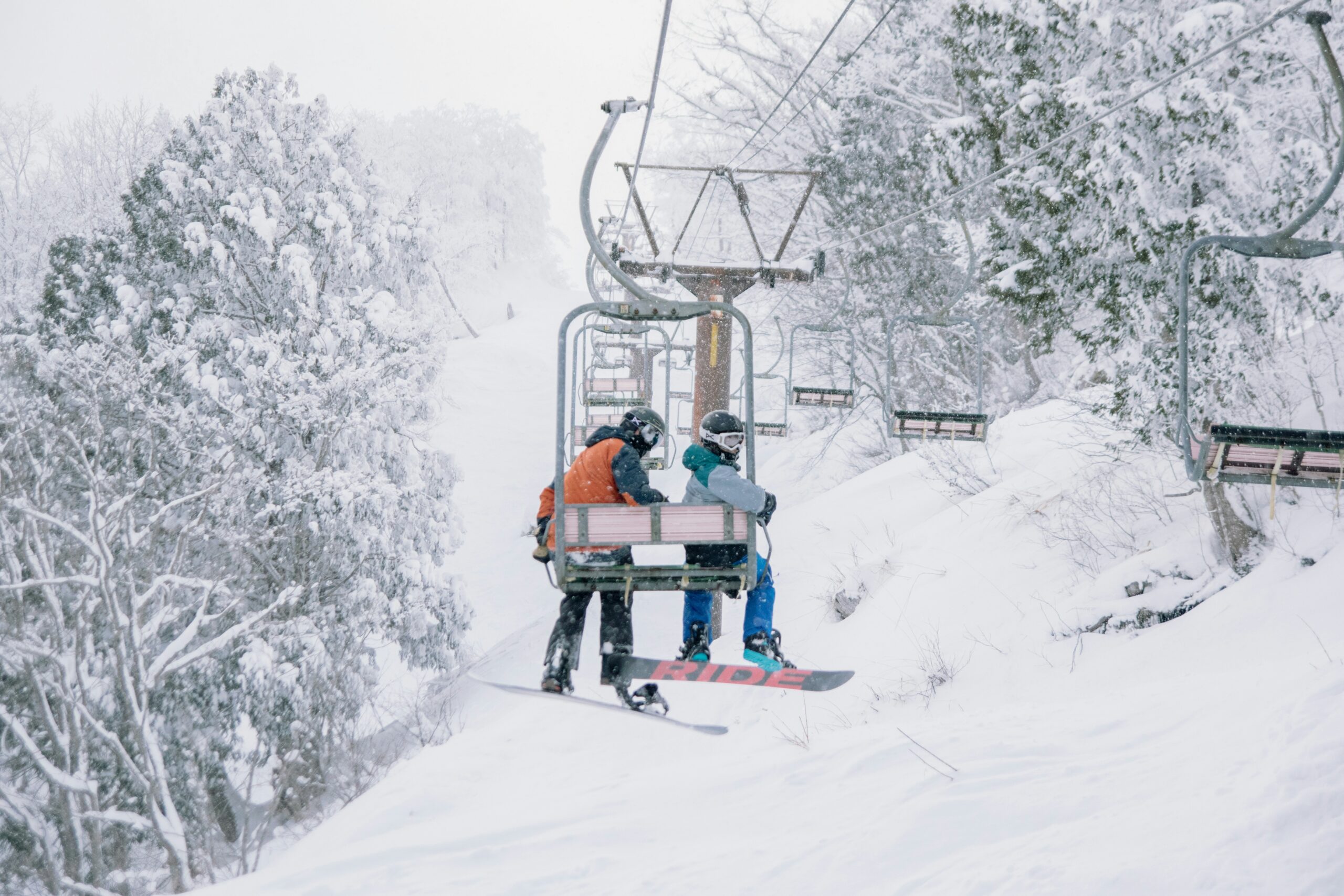
When to go
Japan’s ski season typically runs from late December through to late March, with the sweet spot for powder sitting somewhere across January and February. But “best snow” and “best for families” don’t always mean the same thing.
December is quiet and cheaper, but snowpack at lower elevations can be patchy early in the month. Late December brings Christmas and New Year crowds, and prices to match.
January is a great time. Consistent snowfall, cold temperatures, and the kind of conditions Japan is famous for. But again, it’s busy, particularly with all the Aussies over there on school holidays. Accommodation can book out quickly for this time period too, so unless you’re super organised, you may need to cross your fingers and hope you get lucky with a spot in your preferred destination.
February/early March are often the perfect time. Conditions can be patchier, but the snow is likely still excellent, days are starting to get longer and the resorts may be less crowded. Just be aware that Chinese New Year can see a surge of visitors, particularly around very popular resorts such as Niseko, so best to plan around it if that’s where you’re heading.
Avoid going too far into March, as you risk resort infrastructure starting to shut down or not be fully operational (child care, ski school, lessons etc) or snow conditions not being at their best.
How long to go for
We think ten days to two weeks is the sweet spot. Most flights from the east coast of Australia take off from Brisbane/Melbourne/Cairns/Sydney in the morning, so by the time you land in Japan in the evening, you can…
Head straight into your city of choice – Tokyo or Osaka, for example – and send your ski luggage right to your snow destination from the airport via the black cat Yamoto service (more on that later).
Find a hotel that’s comfortable enough for the family and settle in for the night. Pop out for a quick meal near your accommodation (it’s hard to go wrong here, even a ramen/some quick gyoza/a good 7-11 meal will hit the spot) before getting a good sleep and enjoying a slow morning the next morning.
Enjoy a couple of days in said city, making the most of what’s around you before heading to your ski resort/s of choice for a week or so.
The time difference heading from Australia is minimal, which makes things much easier, but you still want time to recover from the flight, settle into a bit of routine, actually ski, and still have breathing room for the inevitable sick day or thing-going-wrong (like my toddler who fell in a hotel lobby, smashed his tooth on the tiles and had us googling emergency dentists at 11pm on a Saturday. Insert that melting-face emoji here).
Any less than 10 days is workable but tight. You’ll just need to hit the ground running, which means nailing your pre-trip prep (also more on that later).
Choosing your resort
This is the big one. Japan has many, many, many ski resorts spread across two of its islands, there are between 500 to 700 ski areas depending on who you talk to. Some resorts are teeny-tiny, some are huge. Some are mega-foreigner-friendly and have world-class accommodation, others are uniquely Japanese. Some may not be the best fit unless you’re willing to get right off the beaten track (think one cable car leading to an off-piste playground at the base of a smoking volcano… Asahidake anyone? #iykyk).
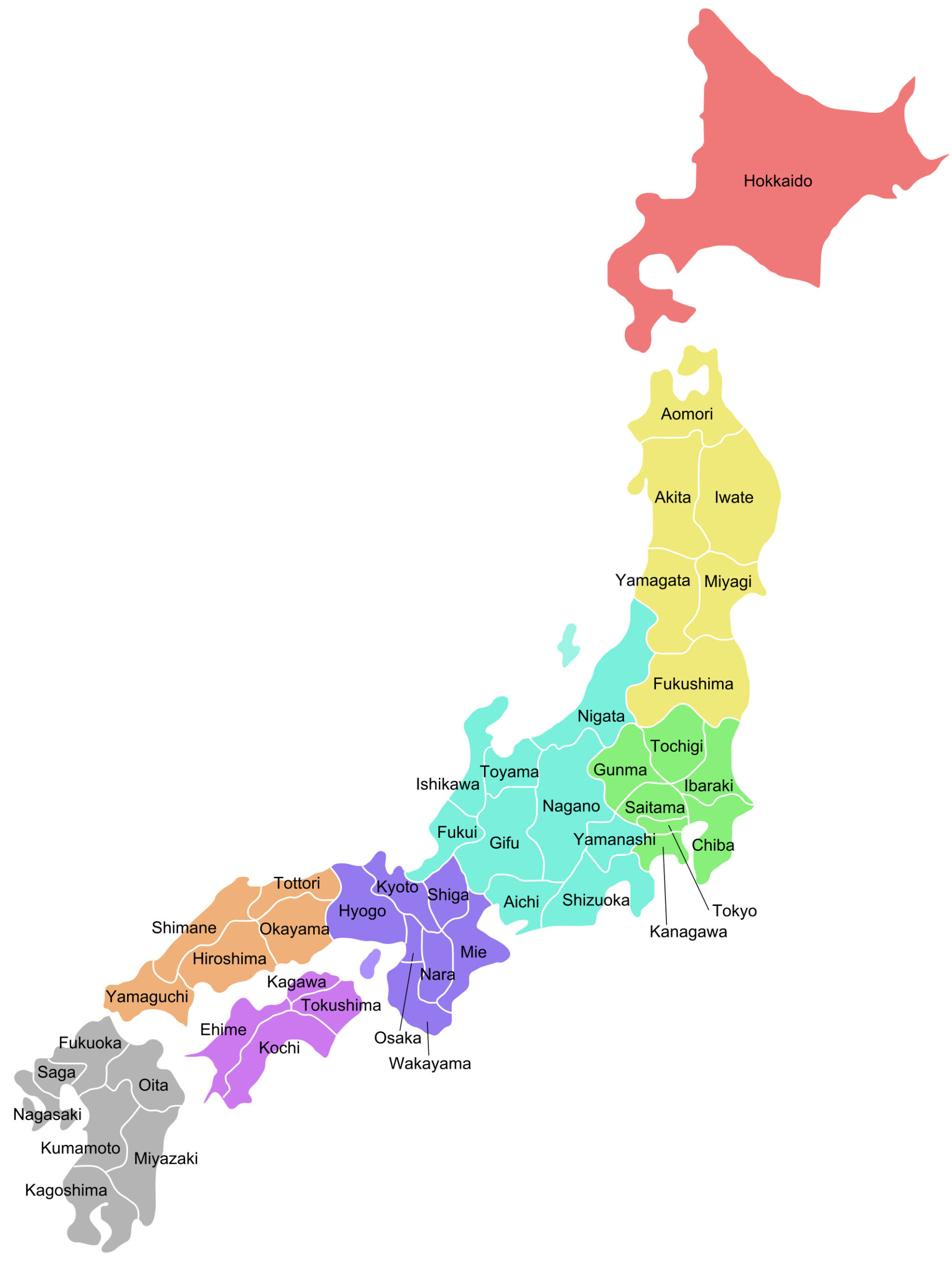
Understanding the lay of the land before you book will save you a lot of confusion. You have Hokkaido in the north which is a prefecture (province/state) unto itself, and Honshu, the main island, further south that has 34 prefectures. They’re connected by bullet train and short flights but can feel like totally different experiences.
Hokkaido

Hokkaido is home to some of the most famous powder skiing on the planet. Cold air sweeps in from Siberia across the Sea of Japan and results in a whole lot of dry, light snow. And when we say a lot, we really do mean loads of the stuff. Average snowfall in peak season can easily bury a car many, many several times over, and the snow quality is consistently top-notch.
Main ski areas include…
Niseko, the headline act; four interconnected resorts (Hanazono, Grand Hirafu, Niseko Village, and Annupuri) sitting beneath the iconic Mt Yotei. The international infrastructure here is top-notch. Accommodation ranges from backpackers to ultra-luxury, and there’s a big ecosystem of childcare providers, ski schools and rental shops catering to families. It’s expensive by Japanese standards and, some would argue, has lost some of its local character over the past decade. But for first-time visitors who want everything taken care of, it remains an easy entry point.
Rusutsu. Three interconnected mountains, fab tree skiing and much more reasonable lift queues. The resort is largely self-contained around a central hotel complex, which works well with small kids. It’s weird and wonderful in many ways; you can literally ski through an amusement park, or converse with a singing tree in the lobby of the hotel. It’s not unusual to see a petting zoo here, or maybe even a reindeer wander by.

Furano and Kiroro; both further afield, but they reward the extra effort with outstanding powder, a beautifully authentic Japanese atmosphere and a relaxed pace that suits families well. Childcare and English-language services are more limited, so it suits families with kiddies who are beginning to ski rather than those needing structured infant care.
Super kid-friendly Club Med has two resorts in Hokkaido. One in Tomamu and one in Kiroro. Tomamu offers a greater village experience as a resort within a resort, and Kiroro is a standalone Club Med with what feels like a private powder field.
What your family will love about Hokkaido
The snow is sen-bloody-sational and forgiving. Soft, deep, and slow, which is ideal when you’re just getting back into skiing after a break or still learning Many Hokkaido resorts are well set up for international visitors, with strong English-language support at the major resorts.
The food culture in Hokkaido is fab. Think fresh seafood and amazing dairy. Their restaurant culture is also generally quite relaxed and welcoming to families.
Sapporo is a major international hub with direct flights from Sydney, or good connections from other cities via Asia (e.g. Taipei, Hong Kong, Singapore or Tokyo), making the journey relatively manageable. Speaking of Sapporo, the city is well worth a visit, especially if you time it around their annual snow festival (think huge ice sculptures the size of a building and many of them, spectacularly lit up at night)
What also needs to be considered
It’s further from the most popular tourism cities of Japan such as Tokyo/Osaka/Kyoto, which matters if you’re planning a city bookend to your trip; a domestic flight or long train journey is required. But it does have Sapporo and Asahikawa as main city hubs for skiers and boarders.
The major resorts have become pricey and increasingly crowded and some of the more authentic, off-the-beaten-track resorts have limited English or childcare support.
Honshu
Honshu is Japan’s main island, home to Tokyo, Osaka, Kyoto and MANY ski areas that people come back to year after year. And you guessed it, it’s called Ja-pow for a reason; you’ll still find plenty of snowy spots on Honshu. You can dive deep into many of them here.
Here are just a handful of the better known resorts to be found on Honshu in the Nagano and Niigata regions.
Hakuba, in the Nagano prefecture, is a very popular pick for families. A valley of nine interconnected resorts, including Happo-One, Goryu, and Tsugaike, they hosted the 1998 Winter Olympics and retain some of that legacy in its infrastructure and variety of terrain. The international community here is well established, English support is strong, childcare options are solid, and getting there is easy from Tokyo.
Nozawa Onsen is one of Japan’s most-recommended ski villages by those who have been. It’s a car-free old hot spring town where you can ski by day and wander the narrow streets at night, visiting one of the many free onsens dotted around town, carrying a little basket full of toiletries that everyone around town carries with them. Not to mention the shops and restaurants here offer plenty to keep everyone in the family entertained.


Myoko Kogen deserves a special mention for families with very young babies. While it feels like a teeny-tiny town compared to some of the bigger resorts, Myoko punches well above its weight in catering for parents of infants. Plus the village is low-key and charming, the onsen culture is strong, and it’s easily accessible from Tokyo via the shinkansen.
Shiga Kogen, Japan’s largest resort, with 53 (at last count) interconnected lifts spread across 18 linked resorts. It’s mighty and it’s varied, with a huge variety of runs that could keep you busy for weeks. With a high altitude and surrounded by wilderness, it still has a very authentic/less international feel, though it is quieter at night than other ski towns.
Madarao/Tangram Ski Circus, two interconnected resorts which offer a significant variety of terrain and very fun off-piste skiing (which can be rare in Japan, where many off-piste areas are off limits and strictly patrolled). While it doesn’t have too much of a ‘village’ to speak of, there’s still a variety of great restaurants run by dedicated locals who have spent years and years building the charm that radiates from the area. The Tangram base also has a great play area for kids (maybe that’s the ‘circus’ part of the name).

Lotte Arai, a gorgeous spot with high-quality facilities both across the resort and the on-site hotel. It’s at the higher end of price, but it’s worth it even just for the outdoor onsen alone. Plus fab kids facilities, with one of the best playrooms you’ll ever seen. But be warned, it is a standalone hotel with ski resort, there is no local village; you’ll need to travel to Myoko for a more traditional ski town vibe. The mountain is effectively lift accessed off-piste backcountry style terrain, with one long intermediate groomed run that goes from peak to base.
The pros for families
Direct access from most major destinations via shinkansen means you can bookend your ski trip with a few days in Tokyo, all without a domestic flight. A wider range of resort styles and sizes, from major valley systems to tiny, charming villages, means you can jump around multiple resorts, as many are located close to each other (Myoko, Nozawa and Madarao, for example are all around 30 minutes from each other).
The cons for families
Snow quality, while still great, ok, amazing, it is generally not as consistently dry and light as Hokkaido. Lower elevation resorts can have variable conditions, particularly early and late in the season. Slightly less English-language infrastructure at smaller resorts, though the major resorts are well set up.
Other regions to consider if you’re looking for less foreigners and more locals: Gunma, Fukushima, Tohoku, Aomori.
PART 2: CHILDCARE & SKI SCHOOL

If you have a child under three or four years of age, and you can’t BYO nanny or grandparents, you’ll probably be going where the child care is. Otherwise you’ll be doing a lot of tag-teaming on slopes with your partner, which – while fine! – does mean less time enjoying your snow trip together. (Unless you dream of a solo chairlift ride, in which case, be our guest and tag-team away.)
The good news is that child care options exist, and they’re often better/cheaper than most people expect. We’ve got them all here for you so you don’t have to do endless googling to work out where to go. Here’s what you need to know.
Ski school or child care?
Most ski schools in Japan won’t take children under three years old, and many require kids to be toilet trained before they’ll accept them into lessons. This is a hard line at most resorts, so if you’re travelling with a two-year-old hoping they’ll get their first laps in on this trip, it’s best to adjust your expectations now. That said, childcare starts much younger, from as young as six months at select resorts. And sometimes you can still find really cute mini plastic skis at the resort shops, strap them to your child’s gumboots and give them their first little toddler ‘slide’ on snow.
Some of our favourite childcare options by resort
Myoko Snowsports Daycare

Myoko Snowsports runs a ski-in, ski-out facility at the base of Akakura resort, taking children from six months old through to three years. Sessions run from 8:15am to 4:30pm, with morning, afternoon, and full-day options available; lunch is included for morning and full-day bookings, and they cater to allergy requirements.
It’s on the pricier end compared to some other options, (¥14,000 for a half day and ¥21,000 for a full day,, which is about AUD$120 and $185 respectively at time of writing) but the quality, flexibility, and youngest-age-minimum make it worth every yen for families with infants. Book well in advance as spots fill quickly in peak season. We’ve been here with a breastfeeding baby and it’s super easy to ski in for a quick feed for bubs. They also often have English-speaking day care staff, as many come from Australian or English-speaking countries to spend their season here.
Nozawa Onsen: Yumin Childcare
Nozawa’s child care is on the second floor of the Hikage Information Centre and takes children aged one to six years, with a capacity of around 20 kids. They’re open daily between 8.30am and 4.15pm. It’s notably affordable compared to other resort childcare options at ¥7,000 per day (AUD$61 at time of writing), or you can even book by hour for under AUD$20. Just be sure to book online ahead of your trip, don’t leave it until you arrive.
One parent in our community reported their three-year-old had private ski lessons with an English speaker here too, so it’s worth asking about lesson options for little ones on the older end of the toddler age range.
Rusutsu: Onsite Daycare
Rusutsu has an onsite daycare at the resort and takes little ones from the age of one through to six. They’re open between 9am and 5pm, and charge per hour (one hour is ¥2,000 JPY or about $17AUD at time of writing). You can even pay extra if you’d like them to feed your child lunch or snacks from their onsite kitchen, complete with chef.
It’s been well-reviewed by families who’ve used it, with one Snowsbest parent reporting a great experience with a two-year-old. The self-contained nature of the resort (everything is connected and close) makes drop-off and pick-up genuinely easy.
Hakuba Escal Day care
Hakuba Goryu’s day care centre welcomes kiddies from one to five years old, and runs from 9am through to 4pm. The fees are very reasonable here, ¥6000 for a half day and ¥12,000 for a full day (about AUD$52 and $105 at time of writing). Just be sure to book online in advance, as they can only take 10 kids per day.
As Hakuba is so large, you may want to opt for accommodation close to the daycare centre; or opt for one of the many private babysitting services available in the area (pricier but great).
Tangram Nursery


A lesser-known but excellent option for families in the Tangram Madarao area, this resort nursery at the base of Tangram Ski Circus offers AM, PM, and full-day care for littlies as young as three months.
However they are very mysterious: no website, Japanese-speaking-only and tricky to book, so it’s best to ask your accommodation if they’re willing to help you organise your time there. It’s very popular with the locals so does book out quickly.
Niseko Kids Club, Hokkaido
Niseko’s best-known child care option is the Kids Club at Hanazono, which takes babies from 12 months through to four-year-olds, and operates between 9am and 4.30pm. Beware, it is pricier: expect to pay about ¥31,000 in peak season for a full day of day care (AUD $270 at time of writing). They do, however, include lunch and snacks in this price, with the usual high-end fare you could expect for fancy toddlers (like hummus, veggies, guacamole, yogurt, fresh fruit etc).
There are also morning or afternoon sessions only to book if you’re looking to save some cash; or, on the other side, private babysitting options that will cater for infants from newborn. Just be sure to book early, as Niseko’s peak weeks fill up quickly.
Tomamu, Hokkaido


A family resort in central Hokkaido, Tomamu (also home to a Club Med property that has its own kids club) has play areas and daycare facilities on site for kiddies as little as five months old. This day care opens from 10am and their day session runs through to 5pm, although they also have a fab evening session from 6pm through to 9pm if you’d like to enjoy your dinner or an onsen in peace. Expect to pay about ¥20,000 for a full day session here ($174 AUD at time of writing).
Bonuses at this resort (nothing to do with day care, but we’re here to share) include a jaw-dropping ice village, daily fireworks and a big wave pool that kids will not want to leave.
Kiroro, Hokkaido
Another Hokkaido option worth knowing about. Again it’s now a Club Med with its own daycare for kids; but day trippers to the resort also have a daycare that caters for little ones from age two through to seven years old. And it is cheap as chips! A full day is only ¥5,200 which is less than fifty Australian dollar-doos. Open from 9am through to 4pm, they only let 10 kids in per day, so you know your small child will have a good time; however, you have to ring to register, and do so the day before they go, by 4pm.
Side note: Tokyo child care
If you’re stopping over in the city on your way to a ski resort and want to do some solo shopping or sightseeing, Ano-ne Kids Club in Tokyo’s Ginza is a new childcare service getting rave reviews. Open for kids from the ages of four through to 10, they’re open weekdays from 1-9pm (so you can even go for dinner!) or weekdays and holidays from 10am-9pm. It’s ¥3000 per hour (about $26.50 at time of writing) and they have everything from climbing nets to tunnels and a great view of the bullet trains. Just be sure to book online before you go.
Important things to know about Japanese day care
Ask upon booking what you may need to bring/pack/take with you, as they all vary significantly. Some may require you to bring all lunch/snacks, whereas others will provide them. As a general rule/starting point, nappies, wipes, nappy cream, spare changes of warm clothes and a drink bottle are good to pack.
The rules can be different to what you’re used to back home. Some day care centres close for lunch to allow the carers to take their lunch break, so you’ll need to collect your baby/child during that window and spend lunchtime with them before returning them to the centre.
Of course, you’ll need to be contactable on the mountain in case something is wrong with your little one. If you have an e-sim, you’ll be contactable through WhatsApp, however you may need data available on your phone if the day care is unable to use Whatsapp.
Not every centre will speak English, so don’t expect it.
At the day care in Tangram, we asked if our baby had a good day, and all they said was “maybe!” Which, you know, was fair enough, because he was seven months old and how are you supposed to ask him?
What to do if you can’t get childcare
It happens! Spots fill, dates don’t align, your child is below the minimum age, etc etc. Here are your other options…
The bigger and more Westernised resorts have babysitting services (particularly Niseko and Hakuba, and Niseko Kids Club even services resorts such as Kiroro, Rusutsu and Moiwa for a fee). You may bleed money – one babysitting services charges over ¥7,260 per hour for one child, which is about $63AUD at time of writing – but it can be worth it for the flexibility and their 24-hour offering.
If you’re at a smaller resort, still ask about babysitting; your lodge may know babysitters looking for work (particularly seasonal staff who are there looking for a little extra cash). We paid approximately $22 per hour while staying at The Brueys in Madarao and packed our baby monitor, which they were fine with us having on while they were looking after the baby.
Tag-team skiing. One parent skis in the morning while the other minds the baby, then you swap after a couple of hours, or after lunch. Many families we’ve spoken to say this works really well, particularly at resorts with base area facilities where the non-skiing parent can genuinely relax rather than endure. Nozawa is excellent for this because you can wander around the shops and they have fab restaurants! BONUS tip here: You only need one lift pass for this tag-teaming plan and you can swap it between yourselves to save some cash, as Japanese ski passes are typically not attached to a person.
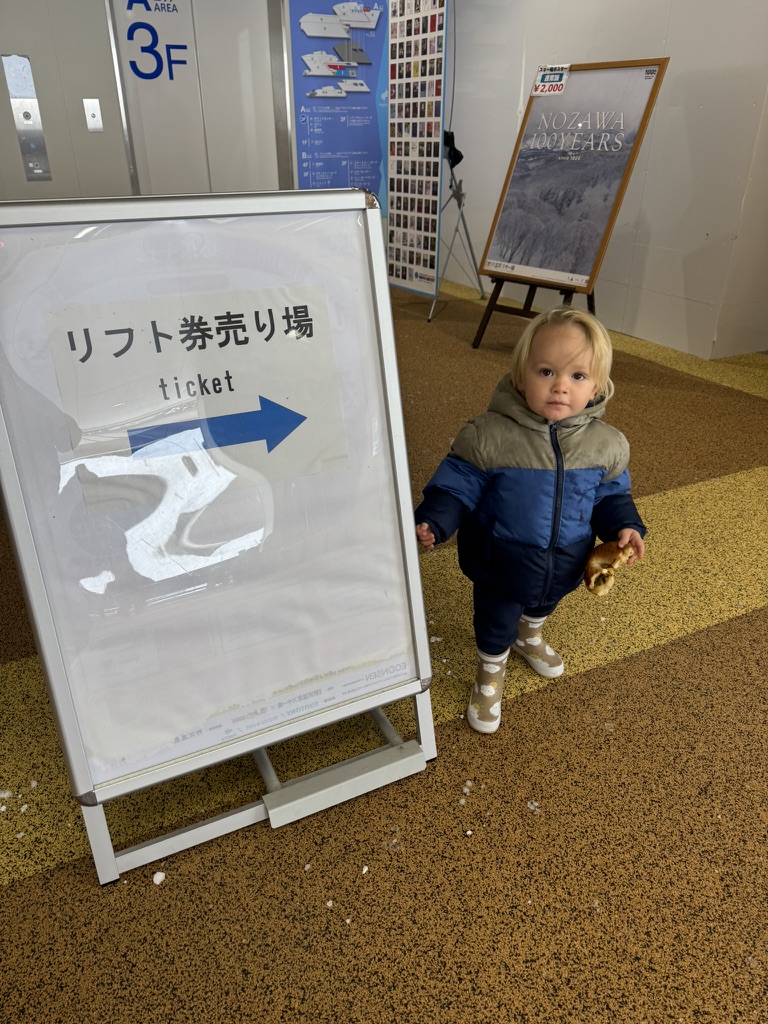
Travel with another family. A group trip with another family or a grandparent in tow changes the childcare equation entirely! Even one extra adult in the mix means someone can watch both kids while two parents ski together, then rotate. Several families in our Snowsbest community have done Hokkaido trips this way and describe it as the ideal setup.
Leave the baby at home with the other parent/grandparents. We say this without judgement, because sometimes it really is the right call depending on your circumstances. One Snowsbest community member was refreshingly honest about it: hard to get on the plane, 100% worth it once they got there. And we’ve written here about how solo ski trips are the ultimate way to rediscover yourself as a parent.
A note on ski school for toddlers
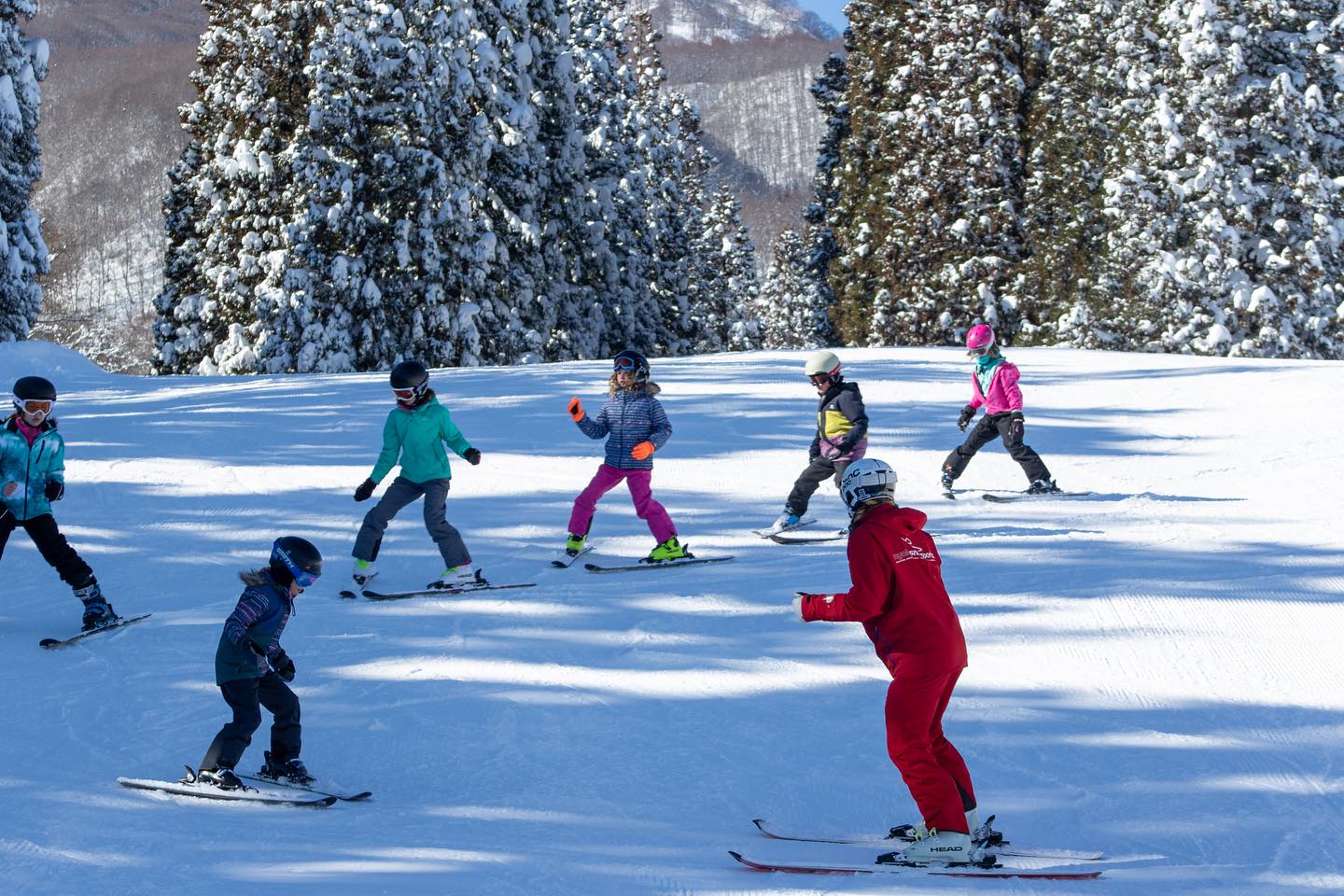
If your child is three or older and toilet trained, ski school opens up and Japan has some brilliant options. Private lessons are worth the investment for very young beginners: the one-on-one attention, the patience of the instructors and the generally uncrowded gentle slopes at most resorts make for an ideal learning environment. Group lessons can work for slightly older or more confident kids. Myoko Kogen has particularly rave reviews for their kids group lessons, or Hakuba’s Yeti Club, for three to six year olds, is also mega-popular.
PART 3: WHERE TO STAY

Toto, we’re not roughing it on the floor of any old hostel anymore. Accommodation can make or break a trip with small children, and this is especially true in Japan; a country that, for all its brilliant and wonderful things, is not exactly famous for spacious hotel rooms. So getting this right is one of the highest-leverage decisions you’ll make in the planning process.
Here’s what to look for, what to avoid, and some of our tried-and-tested, most-recommend picks.
What to look for
Our little checklist to keep in mind when looking for accommodation…
Space. It will make your life easier and more pleasant. You need room for a portacot, potentially a travel pram, your gear bags, and maybe even a spot to sit and relax once the baby is asleep. Not to mention a spot for your child to play/roll around/do whatever they do. In Japan, this means actively seeking out apartment-style hotels or larger rooms, as any standard hotel room will feel very tight very quickly.
A kitchen or kitchenette. The ability to store expressed milk/formula, heat up baby food, make a quick breakfast, sterilise baby items or assemble snacks without navigating a restaurant is worth an enormous amount of stress saved. Even a microwave, kettle and bar fridge are enough (but worth checking! Not all hotels will have all those things).
A laundry. Babies dirty clothes at the speed of light, especially in a ski environment where you’re going through so many layers. On-site laundry is very very worth it, but pretty common in Japanese hotels, so you won’t have to search too hard to find them.
Cots and baby gear on request. The Japanese typically bed-share with their infants, so if you’re not into that, it’s worth checking if they have a portacot available to avoid lugging your own all the way there. Some may also have high chairs, bouncinettes, baby baths, and nappy bins ready to go on arrival if you request it.
Proximity to the lifts and childcare. With little ones, every unnecessary transfer adds friction. Ski-in, ski-out (or close to it) saves enormous energy during drop-off and pick-up logistics, and being close to your childcare provider means less time schlepping and more time actually skiing.
So after all that… where is best to stay?
IN THE CITIES
Most families flying into Japan will pass through a city, and we’d strongly encourage you to build in a few nights at either end of your trip. It’s brilliant with small children but you need to choose accommodation carefully.
Mimaru Hotels are the standout recommendation for families. These are apartment-style hotels designed with families, people who need actual space. While not always fancy, they can be FUN (for example they have Pokemon rooms at 10 of their hotels across Tokyo). Plus the small details here are what elevate it: adaptors available at the front desk, free rental of rice cookers, speakers, and games, a guide to local restaurants in the lobby sorted by cuisine type, etc
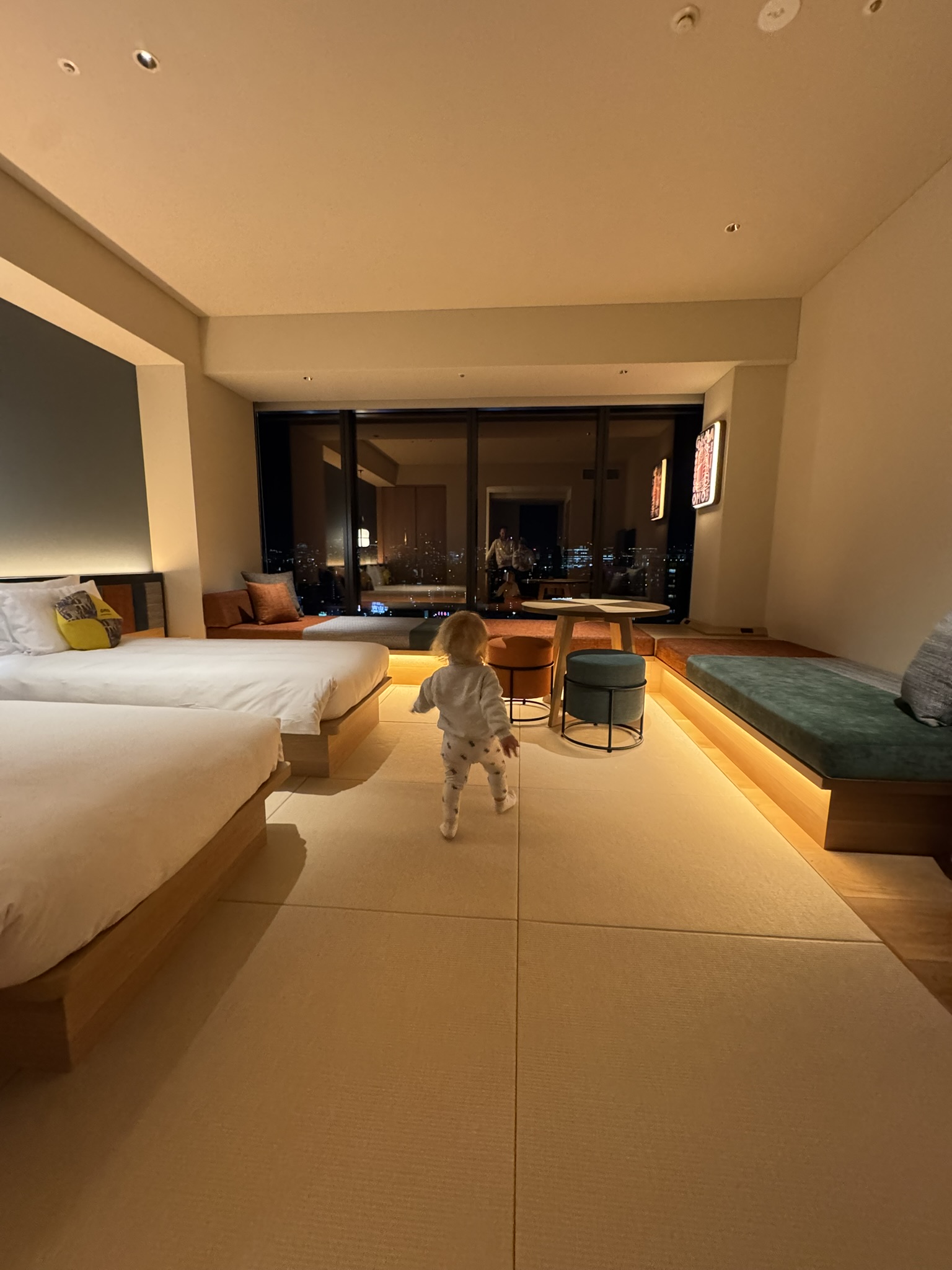
Hoshino resorts are STUNNING. They’re been around since 1914 when they started with traditional Japanese inn, and are now a big-time hotel management company that is known for taking older hotels and flipping them to make them modern and comfortable. Click here to read about the finer details of one we tested in 2025.
ON THE MOUNTAINS
Apartment-style accommodation is fab if you are willing to fork out for it, especially as you can maintain something resembling a routine; meals at home, early nights without being trapped in one dark room, snacks on demand. In Niseko and Hakuba particularly, the self-contained apartment market is well developed and worth the investment.
Boutique lodges and smaller properties can be exceptional if they’re really set up for families. Think cots ready on arrival, staff who know your baby’s name by day two, and owners who will help you book childcare, organise transfers, and sort out dinner reservations. The personal attention you get at a well-run small lodge is something a large resort hotel simply can’t replicate.
Our picks for these:
The Brueys Lodge, Tangram Madarao


The Brueys is a boutique 11-room ski lodge run by Aussie-Californian couple Adam and Kate, who have been living in Japan for years and left Tokyo corporate life to build something super special. The rooms are beautifully designed, and the lodge itself has the feel of a really good friend’s house rather than a hotel. Baby gear including portacots, baby baths, and nappy bins is available on request. The kitchen team, who’ve worked in Michelin-starred restaurants, can accommodate just about any dietary requirement and will happily use their Nutribullet on baby food.
The childcare situation at Tangram Madarao is particularly well-handled here; Kate will lock in your nursery booking and shuttle you there in the mornings. They can also organise lift tickets at a discount, ski and board rentals, day trips to Myoko Kogen, lessons, onsen outings, and private transfers. Après starts at 3pm with spicy margaritas and gyoza. Access is easy: bullet train to Nagano, local train to Myoko Kogen, short taxi to the lodge. The lift is a four-minute walk from the front door. There is really nothing not to love.
Hotel Silverhorn, Myoko Kogen
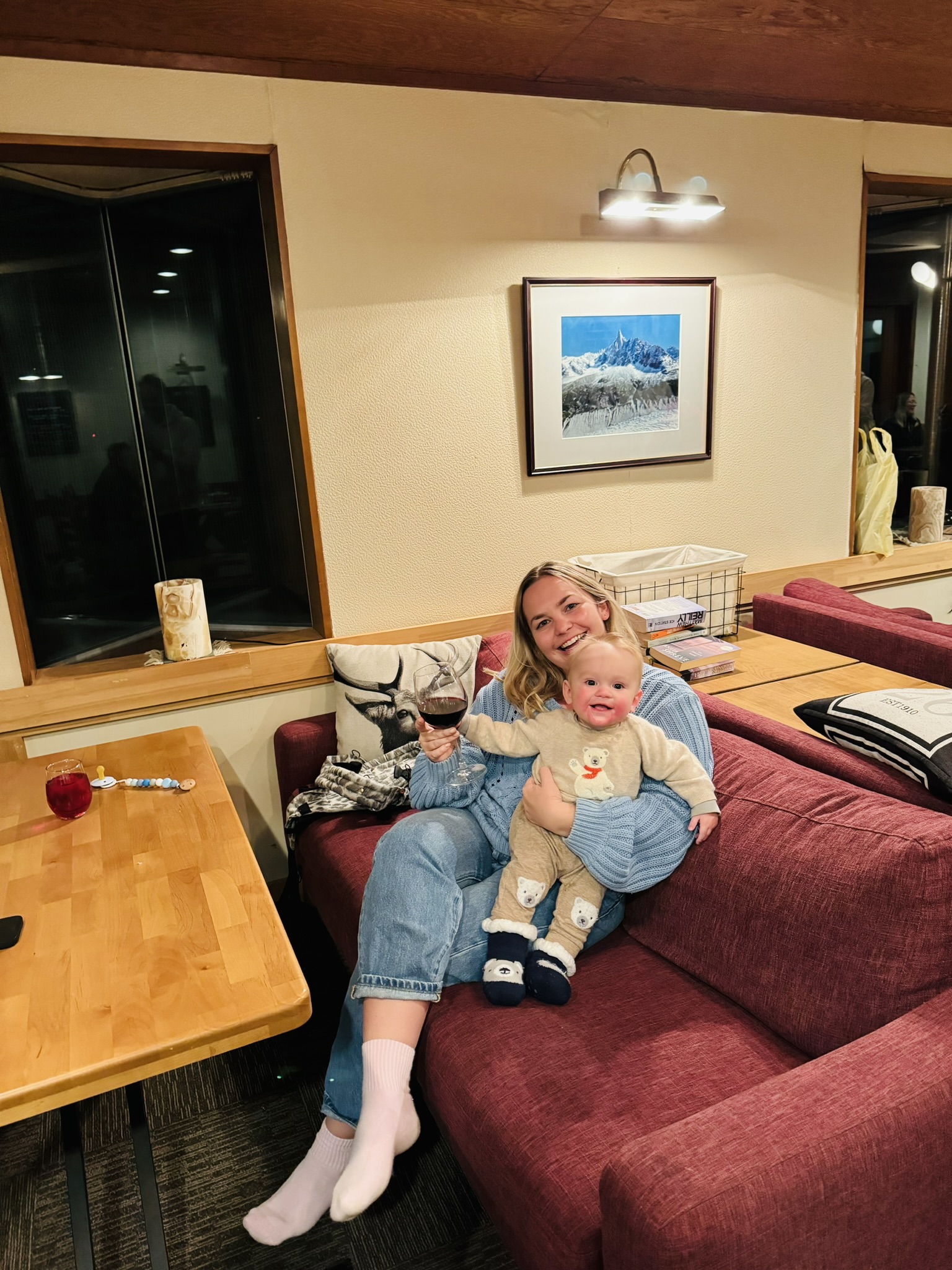
Hotel Silverhorn is the kind of ski lodge that people book and then return to season after season, and once you’ve stayed, you’ll understand why. Located directly across from the Myoko Gondola station at Akakura Kanko Resort, it’s as ski-in, ski-out as it gets.
For families, the setup is fab. Rooms range from standard to suites and two-bedroom configurations, with enough floor space to accommodate all the baby gear you’ll inevitably bring. Cots, high chairs, and baby bouncers are set up and ready on arrival. The team here provide free transfers to and from childcare, ski school, the train station, and external dinner reservations. Combined with the adjacent Myoko Snowsports childcare facility, Silverhorn is part of an ecosystem that makes skiing Myoko with a baby as easy as it can be.
A note on booking timing
Family-friendly accommodation in Japan’s ski resorts can book out early, particularly with loyal returning clientele. Don’t leave it until your flights are booked and then discover the lodge you wanted sold out months ago. Nozawa Onsen, in particular, sells out in a flash a year ahead.
PART 4: GEAR; WHAT TO BRING, WHAT TO HIRE, WHAT TO BUY THERE
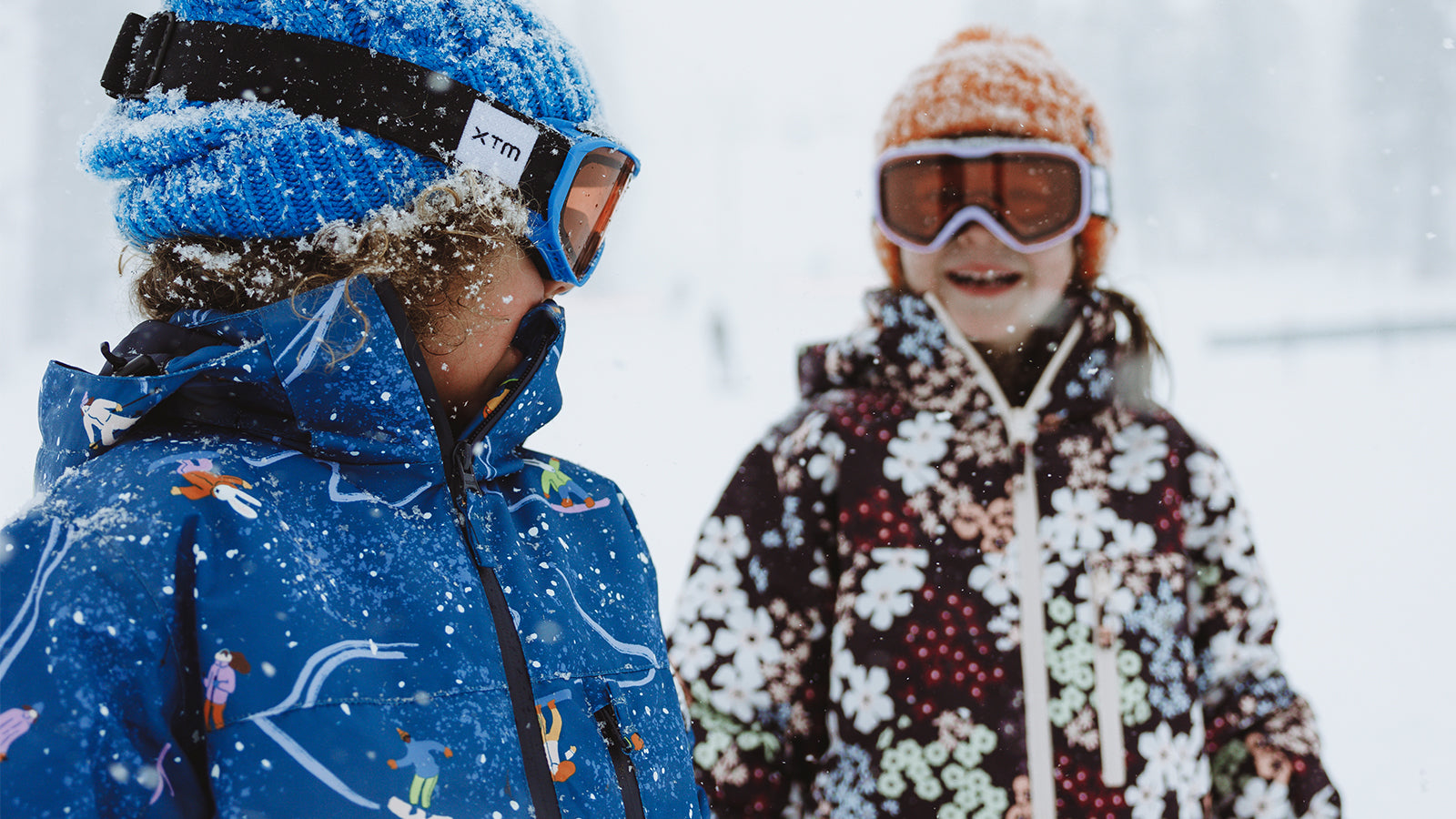
Packing for a ski trip is stressful at the best of times. Packing for a ski trip to Japan with a baby or toddler is a logistical nightmare that will consume more mental energy than any of us would like to admit. Because everyone needs so much STUFF and all that stuff takes up so much SPACE.
The good news: Japan is an excellent country for shopping in case you forget anything.
The bad news: Some things actually cannot be sourced on the ground, and running out of nappies in a remote mountain village in the middle of the night is nobody’s idea of a good time.
Our top packing tips for families
Pack as light as possible. It’s just SO easy to overpack, especially when travelling in the colder months, but you will thank yourself when you are trying to lug a suitcase onto a busy train/down a packed streets/through a snowy sidewalk. Be RUTHLESS with your culling; I have been known to limit the adults in our group to capsule wardrobes, because laundry services are everywhere and easy to use.
Pack your ski gear (all jackets, pants, etc etc) into a separate bag, then utilise the Yamato Transport (aka Black Cat) service at the airport to whisk your bags straight to the slopes. For about $20-30AUD per bag, your skis/jackets/helmets will be sent to your accommodation ahead of you, while you spend time in the city. They’ll be waiting for you at your ski lodge, and you don’t have to heave them onto any bullet trains in the meantime.
Do leave room for the stuff you/your child are REALLY emotionally attached to. Like if there’s only one brand of nappies that works for your child, and you can’t be bothered traipsing around Japan looking for them once over there, bring as many as you may need with you. Same goes for snacks or baby pouches, etc if there is anything your child is particularly obsessed with, and you’re nervous about finding an equivalent over there (Japan will let you in with baby food as long as you declare it upon arrival). I don’t mind packing consumable stuff like this because it leaves you more room in your bags for your shopping on the way home.
Prams are… questionable. Someone put it to me perfectly when they said that if you take a pram, you will have equal moments of hating the pram and being oh-so-grateful for the pram. There’s just not much room for them in restaurants or touristy crowded destinations, and soooo many places have escalators rather than lifts, which are tough to navigate with prams. Up to you whether you take one or not, but we used the carrier a lot more when our little one was a baby.
You won’t be able to hire any ‘personal’ items such as hats, gloves, ski socks etc, so be sure to stock up before you get there or be prepared to buy them upon arrival. For very young children, you’ll want to purchase their snow suit or waterproof gear, as well as snow boots (we just use gumboots with thick socks) before arrival or risk paying a premium once you’re in-resort. Sunglasses are also well worth it, no matter how young your baby; and don’t forget sunscreen as those UV rays can reflect off the snow big time!
The dry air got us good in Japan, especially after visiting from humid, summery Queensland. Bring a good moisturiser for your little one.
Don’t bring too many toys. Every 100-yen shop and convenience store has affordable things to keep small hands busy. Pack a couple of comfort items and buy the rest there. Your baby/toddler will be too busy making the most of their surroundings anyway.
Our most important tip: It sounds ridiculous but the roads in Japan can be brutally icy, particularly in Sapporo; the black ice on the streets of Niseko is sometimes referred to as the Niseko sniper because it takes people out so quickly and effectively. You can buy ice grips for your shoes on Amazon or at various stores in Japan, they’re just rubber slide-ons to your boots and they are SO WORTH THE PURCHASE for peace of mind, particularly if you’re walking around with a baby in a carrier.
Your checklist of must-brings from home
✅ Kids snow suits / ski jacket and pants (adults can find rental ski clothes just fine)
✅ Thermal base layers for everyone
✅ Warm mid-layers for everyone (fleece or light down)
✅ Waterproof mittens for kids, (mittens retain heat far better for small hands), ski gloves for adults
✅ Neck gaiters or balaclava for everyone
✅ Goggles or sunglasses for everyone
✅ Waterproof kids snow boots for walking around the village (you can often hire adults ones at japanese resorts)
✅ Extra socks for everyone
One thing we do recommend is an Action Sports Anchor for your phone, you can attach it to the inside of your ski jacket and pull it out to take photos in the snow or on the chairlift without losing it. Choose from the OGO60 (perfect for ski resort) or the Wristy (we swear by this one in the city). We have a SnowsBest10 discount code on their retail site, if you use this link it will be reduced at checkout.
Fine to buy in Japan
Additional base layers and mid-layers if needed (especially at Uniqlo if on a city stopover; however, if you are on the bigger side of sizing, they may not cater to you as it is Japanese sizing).
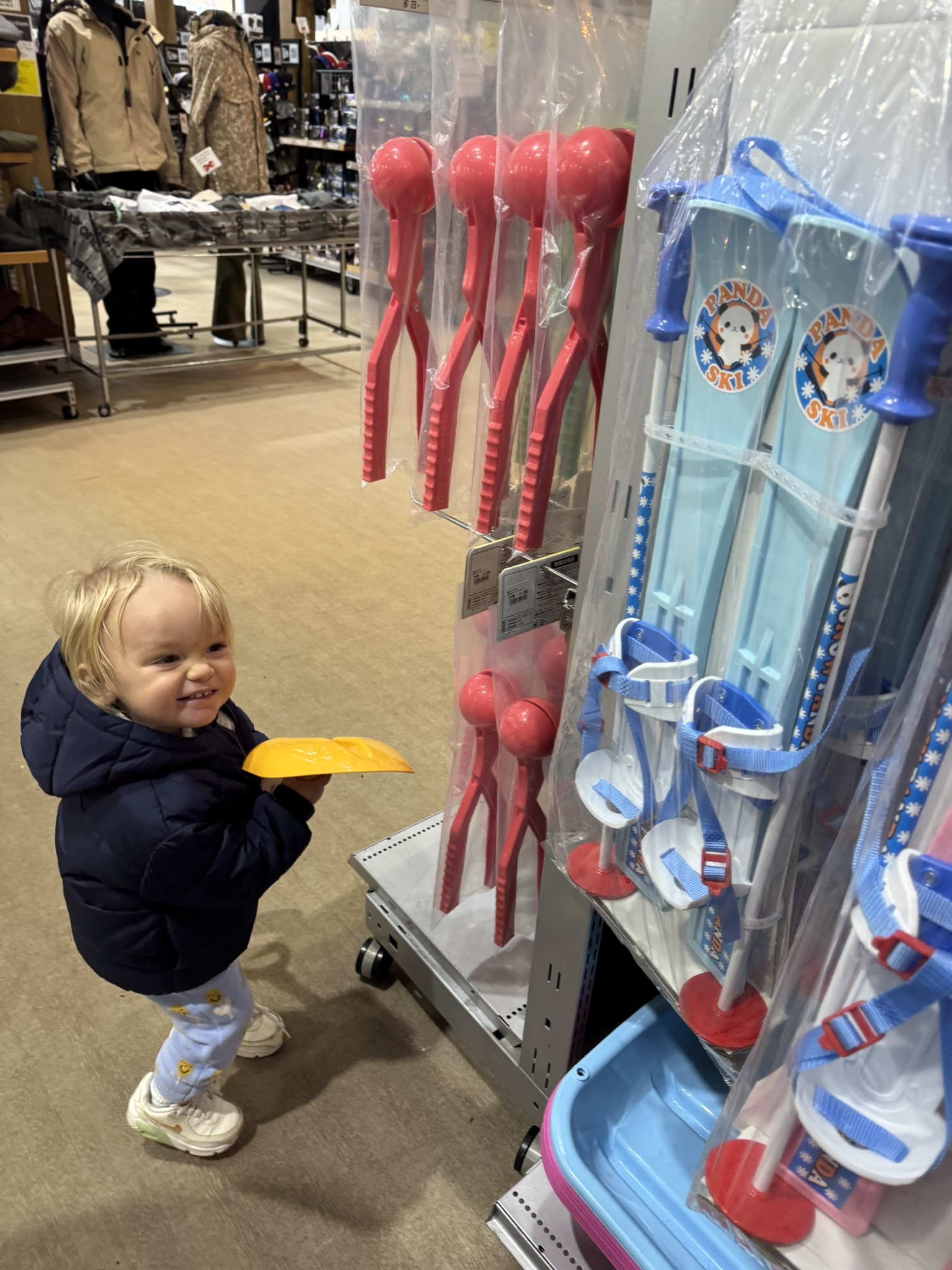
Snow play gear (sleds, fun snow toys).
Nappies and wipes (at major resort towns and city stopovers only, do not assume availability at smaller resorts; Myoko Kogen, for example, told me in advance that they’d never seen a nappy sold in the village). Buy in Tokyo or at a major town en route and carry enough to see you through.
Snacks, snacks, snacks! Japanese convenience stores are EXCELLENT. Download Google Translate so you know what you’re looking at, just take a pic and it translates for you – but you’ll be able to find baby-friendly snacks such as crackers, rice balls, fruit, smoothies, yogurts and cheese. You’ll also find typical baby pouches with brands such as Rafferty’s at Japanese supermarkets in the cities, where you can stock up for ski trips.
Also – did you know you can now hire clothes to wear instead of packing them? There’s a new clothing rental service for families called Any Wear Anywhere available through MIMARU hotels, which is super helpful for those who want to travel light. They do rental packages for individuals and families which you can pick up and drop off directly at the hotel. And word on the street is that they’ll soon be expanding to cover ski wear…
Layering for Japanese cold
This is something that catches people out on their first Japan ski trip, particularly in Hokkaido, as the temperatures can drop significantly; minus 15 to minus 20°C is not unusual in peak Hokkaido winter, and the cold is dry. Prepare by having good layers on hand for every member of the family.
PART 5: WHAT ELSE TO DO WHILE IN JAPAN
Here’s something unexpected about your first Japan ski trip with a small child… you might find that some of your favourite memories have nothing to do with skiing at all. Japan off the slopes is equally as fantastic as Japan off the slopes, and there are so many beautiful memories to make in different places.
Onsens with babies and toddlers
After a day on the mountain, there’s nothing better than an onsen. It’s the best way for your body to recover, and truly a unique experience bathing completely naked (especially at public onsens like the ones in Nozawa Onsen, where you quickly learn no one cares about your nudity).
Etiquette is super important, as traditional public onsens in Japan operate on a set of conventions that are taken seriously. Be sure to wash thoroughly at the individual shower stations before entering the communal bath. Keep your towel out of the water and don’t run, splash or make excessive noise. Tattoos are touch and go depending on where you are, so check while there.
Most public onsens don’t allow babies and very young toddlers for hygiene reasons, but also Westerner little ones may not be used to just how hot some of these onsens might be.
Many onsens will list a minimum age, but the general rule of thumb is that if your child is in nappies, a communal public onsen is off the table.
This is where tag-teaming with a loved one is perfect, especially after baby’s bed time (most onsens are open late). Try and go to an outdoor onsen if you can, because the steam rising up among the snowflakes is something that will stay with you for a long time.
Eating out in Japan with small children
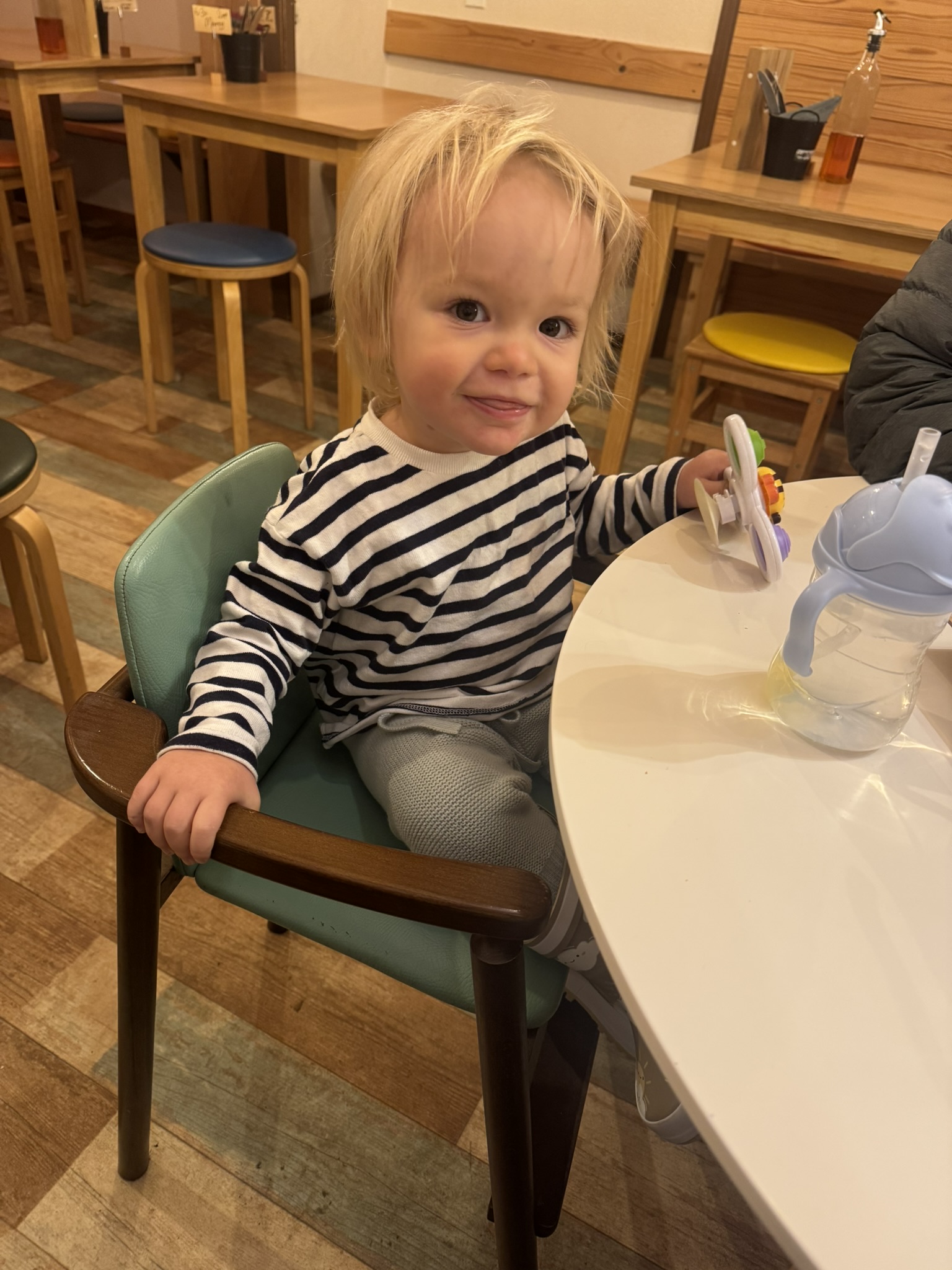
Practically speaking, most restaurants in ski resort towns will have high chairs available. You may not always find a Western-style one, as they are partial to ones without the bars across the front of the chair; however it’s worth asking upon arrival at the restaurant.
The food itself is great for small children. Plain rice, udon noodles in mild broth, steamed dumplings, karaage chicken; you’ll probably be fine even without a children’s menu. The Japanese also LOVE a pizza or a burger, so you’ll often find one of these options around, even in the more traditional Japanese ski towns.
One genuine challenge: dietary requirements can be difficult to communicate, particularly allergies. Not everything can be accommodated easily, such as gluten-free or soy-free. If you or your child have a food allergy, a translation card stating their requirements in Japanese is an essential item to carry around with you. Some hotels also pride themselves on being able to cater for a wide variety of allergens, so it’s worth looking up if this is important to you.
Day trips, snow play, and non-ski activities
Not every day needs to be a ski day (unless it’s a powder day of course). But rest assured, Japan does off-snow activities well. This includes…
Snow play areas. You’ll find them at many Japanese ski resorts. Expect things like jumping castles, snow toys and maybe even rafts that hitch up to the back of snowmobiles to offer a fun ride around the snow.
Snow monkey parks. If you’re skiing the Nagano region, a visit to the famous snow monkey park is a great option. It’s a 20-minute walk through snowy forest from the car park, manageable with a baby in a carrier (and with those ice spikes on your shoes!).
Indoor play spaces, often located in or near malls. These are a lifesaver on a rest day or a stormy day when the mountain isn’t calling. Soft play areas, ride-on toys, and supervised play zones are often on offer right alongside shops full of gapachon toys that make for excellent entertainment for the kiddies.


Snowshoeing. An underrated activity in Japan’s ski regions! Many resorts offer guided snowshoe tours through winter forests, and a baby in a carrier makes this entirely possible. It’s a stunning way to take in the scenery.
Town wandering. In villages like Nozawa Onsen, just walking the snow-covered streets is an experience in itself. Poking into small shops, eating steaming street food, watching locals go about their days… this is some of the best travel Japan offers, and it costs nothing.
Cultural tips: what to know before you go
The Japanese are polite, but you will know if you disappoint them, and you will feel terrible about it. We recommend the following for showing respect for the culture you’re visiting…
Shoes off, always, in the entrances of ski lodges, traditional restaurants, etc. There will often always be a designated area with a step up, and often slippers provided. Dress your child in shoes that can be removed and replaced without significant negotiation. This will also be helpful for play areas!
Noise levels. Japanese public spaces such trains, restaurants and hotel lobbies operate at a lower volume than many of us are accustomed to. This can be a nightmare when travelling with a toddler who could not care less about this. Japanese people are very tolerant when it comes towards small children, but we were always prepared with bribes for encouraging our little guy to be quieter in public places to avoid any stares. Use a dummy if you have one! Or snacks! ALL the snacks!
Rubbish bins can be rare outside of convenience stories. This surprises almost every first-time visitor! Carry a small bag for wrappers/snack packaging/the inevitable trail of toddler mess. Pick up after yourself, especially if your child has been eating in a stroller in a public place. I have been known to pick up cracker crumbs off the floor of the Shinkansen because everything in Japan is just so CLEAN and I don’t want to be the one messing it all up.
Cash is still king in many places! This includes some train stations, smaller restaurants, local onsen bath houses, buses, rural establishments etc.. Keep some yen on you at all times in a coin purse.
Learn how to say thank you and excuse me (semimasen). My two favourite phrases!!
PART 6: THE PRACTICAL STUFF

Nobody wants to spend their Japan ski trip dealing with a sick baby or battling mastitis or considering divorcing your husband in the middle of a train station. So here are the last of the random things you need to know before you need to know it.
Breastfeeding in Japan
So much easier than you think it’s going to be! While they are a reserved and private country, they’re very accommodating for breastfeeding and treat mums with a lot of dignity.
Nursing rooms are widespread and genuinely excellent across department stores, large shopping centres, major train stations, airports etc; expect private rooms with comfortable chairs, nappy changing tables, a sink, and sometimes a microwave for warming bottles. All toilets also mostly have a holder for babies that can hold their own head up, which is OH SO HELPFUL when you need to be hands-free to use a bathroom.
In ski resort towns, while dedicated nursing rooms are less common, things are also more casual. Breastfeeding in a café or lodge will always be fine.
Formula is widely available in Japan at pharmacies and convenience stores, though the brands and formulations may be different than what you’re used to at home. If your baby is on a specific formula, it’s good to bring enough from home to cover your stay with a buffer.
Dealing with illness on the trip
The combination of long-haul travel, jet lag, cold mountain air, contact with other children in childcare, and a disrupted routine may just result in an illness… usually from a small someone and often at the least convenient moment possible.
Our best tip is to pack a comprehensive first aid and illness kit from home. Japanese pharmacies are excellent but navigating them without language skills is slow and stressful when you have a sick child. Having the basics with you means you can act immediately rather than spending an hour in a pharmacy trying to find infant paracetamol.
Be sure to include:
✅ Infant/toddler paracetamol and ibuprofen (noting that some such as Tylenol Cold are not allowed due to certain ingredients)
✅ A digital thermometer
✅ Saline nasal spray and a nasal aspirator
✅ Rehydration sachets and Gastro-stop
✅ Antihistamine appropriate for your child’s age
✅ A basic wound care kit
✅ Any prescription medications you or your child use regularly (just check they’re allowed to be brought into the country as Japan can be strict on some medications!)
✅ Your child’s health record or immunisation history
Click here for Japan’s full guide to bringing in medications
Finding medical care in resort towns
Japan’s healthcare system is EXCELLENT! Take it from someone who spent a morning in a rural hospital and had as good of a time as is possible to be had in a hospital.
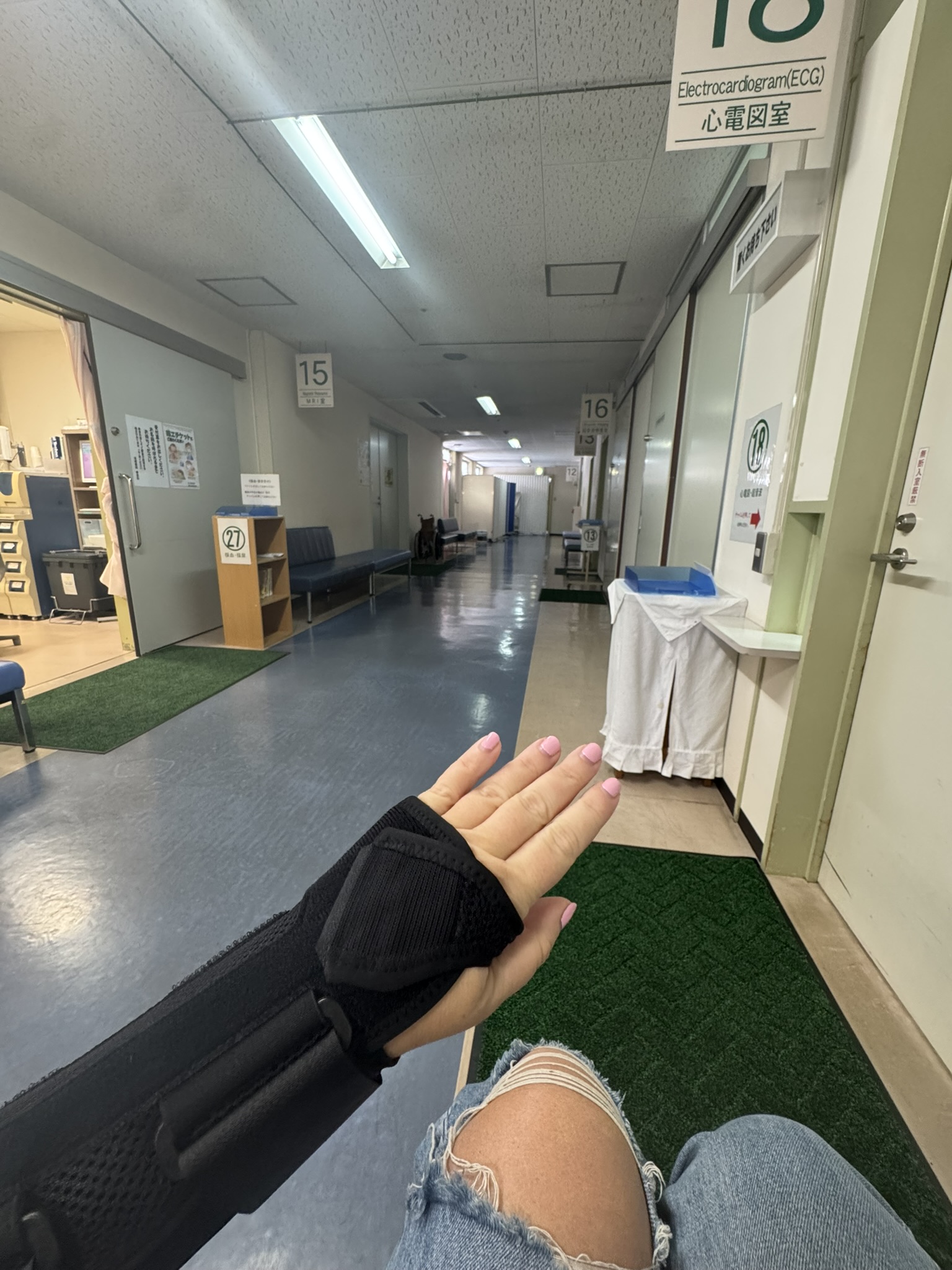
Major resort towns all have clinics or hospitals within a reasonable distance. Ask your accommodation on arrival where the nearest medical facility is, and keep the address in your phone. A lodge or hotel will also be able to call you an ambulance should you need one. This is common in Japan, even for non-urgent injuries.
Do note that any injury on the ski field that requires ski patrol will not deliver any pain medication. There’s no green whistle.
Also, English-speaking doctors, physios, etc are not guaranteed outside of the major urban areas, but are increasingly available at the most internationally frequented resorts, particularly Niseko. Be sure to have Google Translate ready on your phone, with access to an eSim or roaming, for use in emergencies.
Also keep your travel insurance documentation on your phone and in a physical copy in your bag. Japanese health care is inexpensive, but travel insurance details are still good to have on you and refer back to.
Navigating the rail system
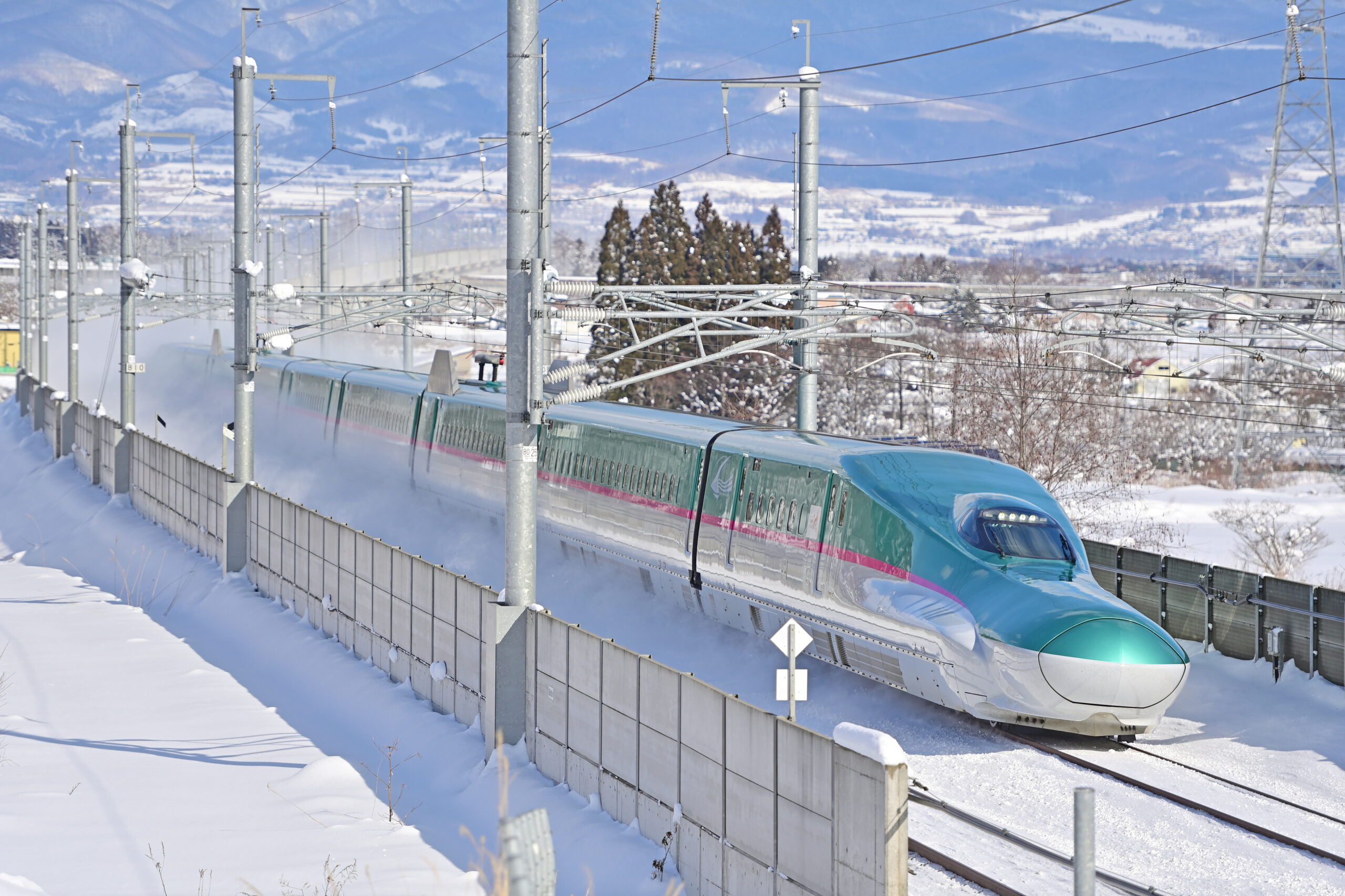
If you manage to get through your entire trip without a single panic in a train station about where you’re going/what train you’re taking, I bow down to you. It all may seem overwhelming at first, particularly as so many cities have different lines and different train options.
Getting a Suica Card on your Apple Wallet is an easy tap-and-go solution through the gates, and Google Maps has impeccable instructions for getting everywhere you need to go, down to the platform you need to stand on. And remember your kiddies are free under the age of six, so no need to buy a ticket for them.
Flights with a baby/toddler
No one is excited about a long-haul flight with a small child. But it’s finite. Even the worst flights end eventually.
See if you can nab bassinet seats early; note that bassinets have weight and age limits (usually up to around 10–11kg), so check your airline’s specific policy.
Plus timing matters. An overnight flight that aligns with your baby’s sleep window may be the dream scenario, and that just happens to be the set-up for a lot of the departing flights from Japan back to Australia. It doesn’t always work out, but it’s worth trying if you have the option.
And finally… pack extra of everything. The spare clothes. The snacks. The entertainment. The small toys. Your carry-on luggage is definitely not the spot to under-pack!
Visas, insurance & health
Australian passport holders don’t need a visa for Japan for stays under 90 days, just a valid passport. You can pre-complete a QR code before arrival now to speed up your process through immigration, which is handy, and also expect to skip a lot of queues within airports if you’re with a baby.
Travel insurance is essential when you’re travelling with small children. Make sure your policy covers skiing (many standard policies exclude snow sports), medical evacuation, and trip cancellation. Read the fine print on age limits for children, as most policies cover kids under a certain age for free when travelling with an insured adult.
CONCLUSION: IT’S WORTH IT
Have you had enough of our tips yet? Well – consider this your final reminder that your trip to Japan will be WORTH IT. After all your research, and all your careful bookings, and your packing lists, and your late-night Googling, we promise you this… you’ll hold onto all these memories. The really good ones. Even the questionable ones. It’s so worth it.
Check out and download our FREE Japan Snow Travel e-mag here.


You must be logged in to post a comment.