







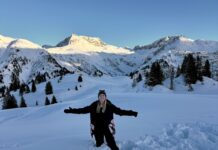


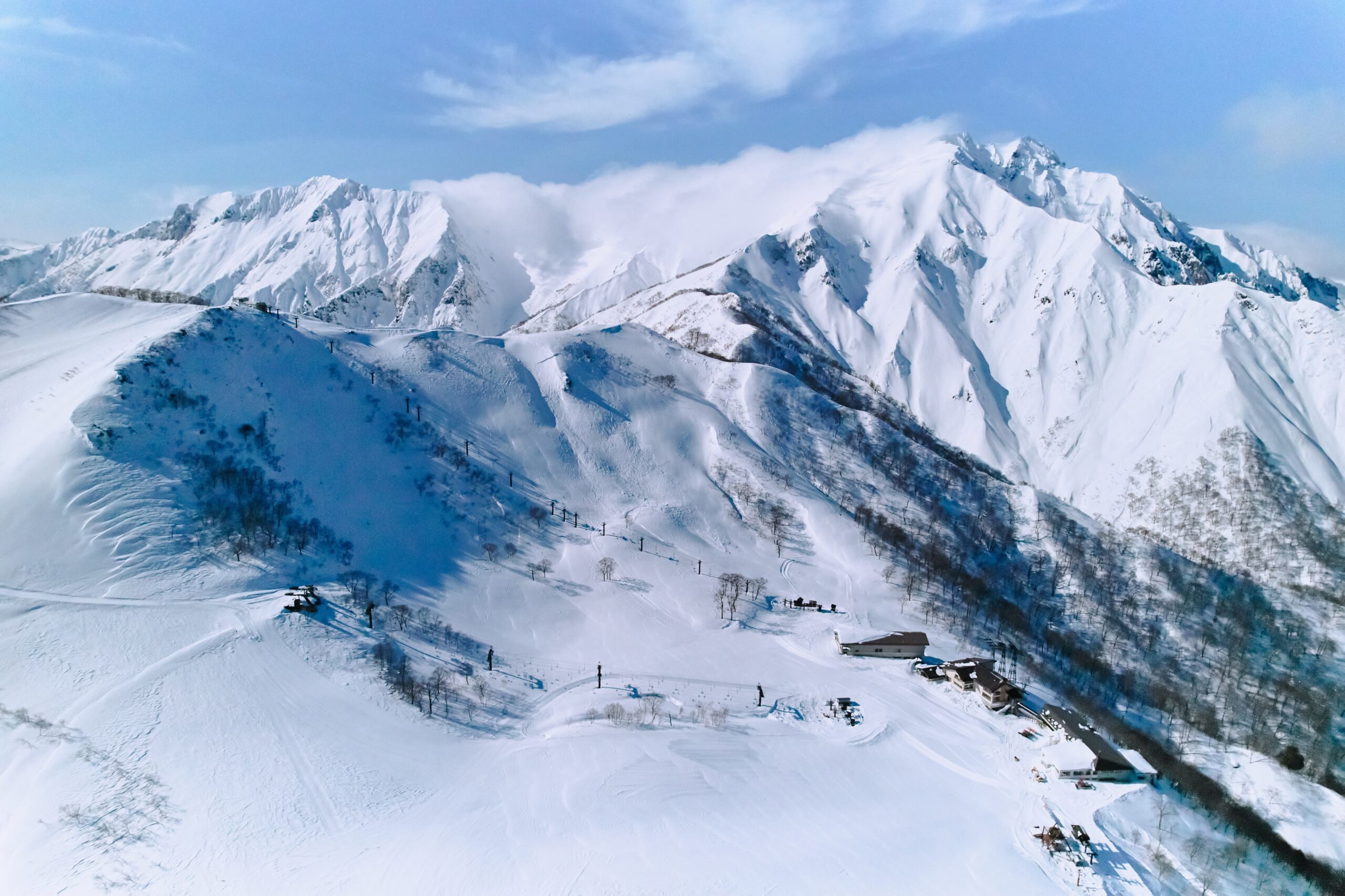
Tucked away just north of Tokyo, bordering Nigata and Nagano, Gunma delivers a rare combination – deep snow, uncrowded slopes, and some of the country’s most storied onsen towns. It’s a place where powder mornings roll seamlessly into onsen soaked afternoons and lantern-lit evenings.
Stay in a traditional ryokan with tatami floors, sleep under futons, wear yukata to dinner, soak in an onsen bath before breakfast, it’s all part of the rhythm of a Gunma ski trip which remains remarkably under the radar for international visitors.
Gunma is spread across several key ski zones – Minakami, Kusatsu/Manza, Katashina and Tambara/Kawaba. This makes it the perfect region for a road trip just two hours from Tokyo.



Expect just over 20 ski resorts to explore. You can ski powder in Minakami, drive an hour to soak in the onsen town of Kusatsu, then drive through mountain passes to another resort the next day. For Australian and international visitors used to destination resorts, this multi-stop style offers a more exploratory, choose-your-own-adventure version of a Japan ski trip.
Onsen towns, the heart of skiing in Gunma


This region is one of Japan’s most concentrated hot spring destinations, with historic towns woven directly into the ski landscape. Gunma’s identity as an après-ski destination is deeply tied to this bathing culture.
Kusatsu Onsen is the headline act, one of the three greatest onsens of Japan. Built around the steaming Yubatake (hot water field), it’s one of the country’s most famous hot spring towns, where sulfuric waters flow through the centre of the village and traditional “yumomi” water-cooling ritual is still performed.
Ikaho Onsen offers a different aesthetic. Expect a long stone staircase lined with historic ryokans, cafés and shops, glowing under lantern light as visitors wander in yukata between baths.
Then there’s the town of Shima Onsen with traditional inns operating since the 1500s or Manza Onsen, one of Japan’s highest-altitude hot-spring resort towns with sweeping views of snow-capped mountains from open-air baths.
You’ll find similar in Minakami’s onsen districts, where riverside rotenburo (outdoor baths) let you soak as snow falls quietly around you, one of those quintessential Japan winter moments that feels highly cinematic. Soak in the indoor and outdoor onsens on the riverbank at Takaragawa Onsen on the upper reaches of Minakami surrounded by sounds of the forest and the burbling river.
Culture beyond the ski slopes
Traditional Japanese culture here isn’t curated for tourists, it’s simply how things are.
From local soba shops to regional dishes like okkirikomi (a hearty noodle stew), Gunma is known for hearty mountain cuisine. Think handmade soba, local wagyu, and warming hotpot dishes, perfect after a thigh burning day in the powder stashes.
Between ski days, you can visit temples like Mizusawa Kannon, explore museums dedicated to Japanese literature and art, or even chase pop culture nostalgia at Mount Haruna – the real-world setting of Initial D.
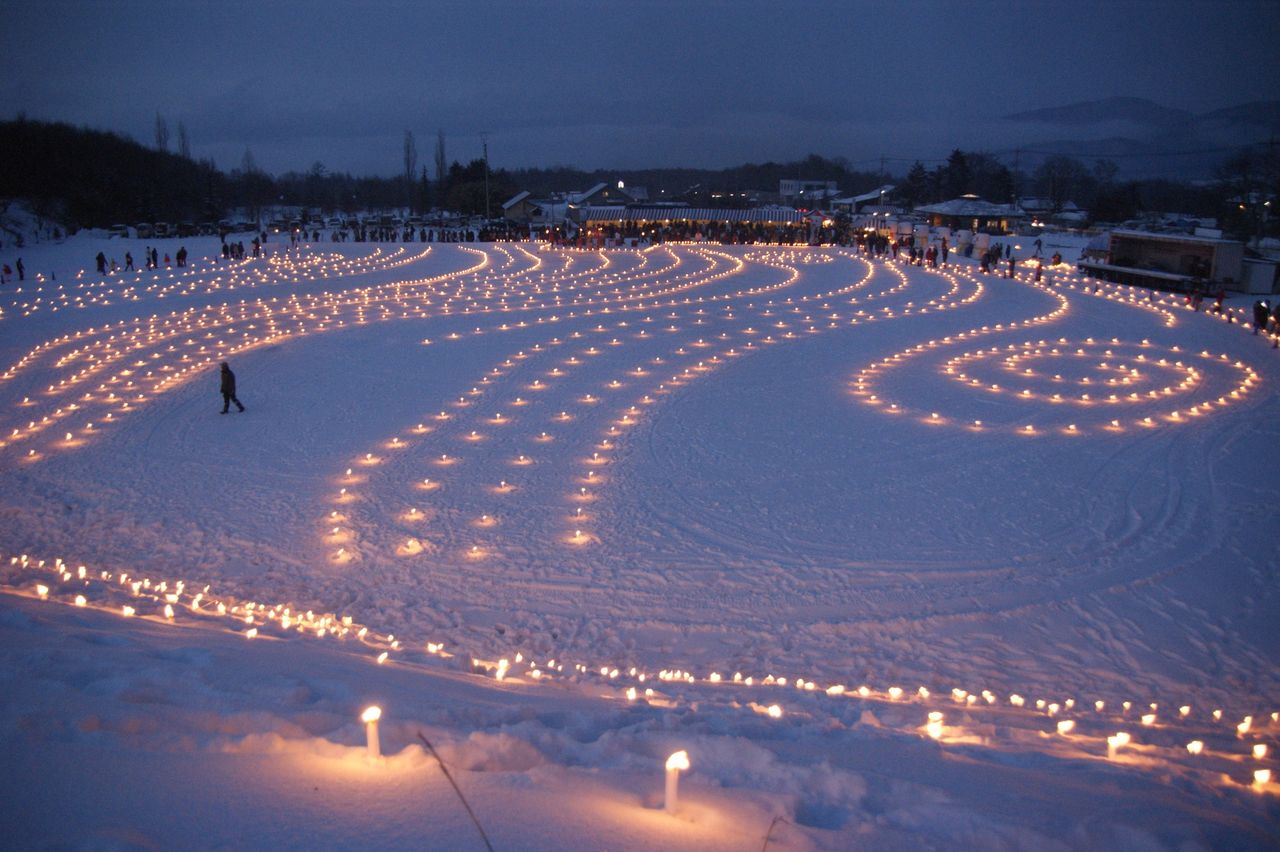
Winter is also home to numerous illumination festivals – the Lake Haruna Illumination Festa in December, the candlelight festival of Oigami Onsen in January and February and the Takasaki Pageant of Starlight from late October to early March.
Powder without the crowds


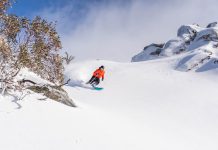
If you like big mountains and big powder then you’ll head straight to the mighty Mt. T by Hoshino Resorts. The locals call it Tenjin after its former name of Tenjindaira. This lift-accessed backcountry style resort is known as the Jackson Hole of Japan due to steep terrain (take a guide).
Nearby, Minakami Hodaigi Ski Resort offers a completely different vibe: wide groomers, playful tree zones and pitches that hit up to 40 degrees, making it a versatile all-rounder.
Further east in Katashina, resorts like Oze Iwakura (also known as White World Oze-Iwakura) and Marunuma Kogen Ski Resort bring long fall-line runs, high-quality powder and fewer international visitors. There’s plenty of space to move, many fresh tracks to be found and a strong sense of local ski culture.
Palcall Tsumagoi has been making a name for itself in recent years for its dedication to premium terrain park skiing and boarding. If you’re a beginner or intermediate rider then you’ll love the equal dedication to groomed runs with distinct mountain views and a shuttle to Kusatsu Onsen for exploring.
Why visit Gunma now?
Gunma sits in a sweet spot that feels increasingly rare in global ski travel. It’s accessible but not overrun. It has excellent snow but no ego about it. And it offers a cultural depth that elevates the entire experience beyond skiing.
It’s close to Tokyo but feels worlds away. It has powder, but without the hype machine. Gunma isn’t trying to compete with Japan’s biggest ski destinations. Instead it’s serving up ski days that end in centuries-old hot springs, road trips through snow-covered valleys, and a sense of cultural immersion that lingers long after the trip is over.
For skiers and snowboarders who travel for experience — not just vertical — Gunma may be Japan’s most compelling destination hiding in plain sight.
Want to know more? Head to Visit Gunma’s website.